
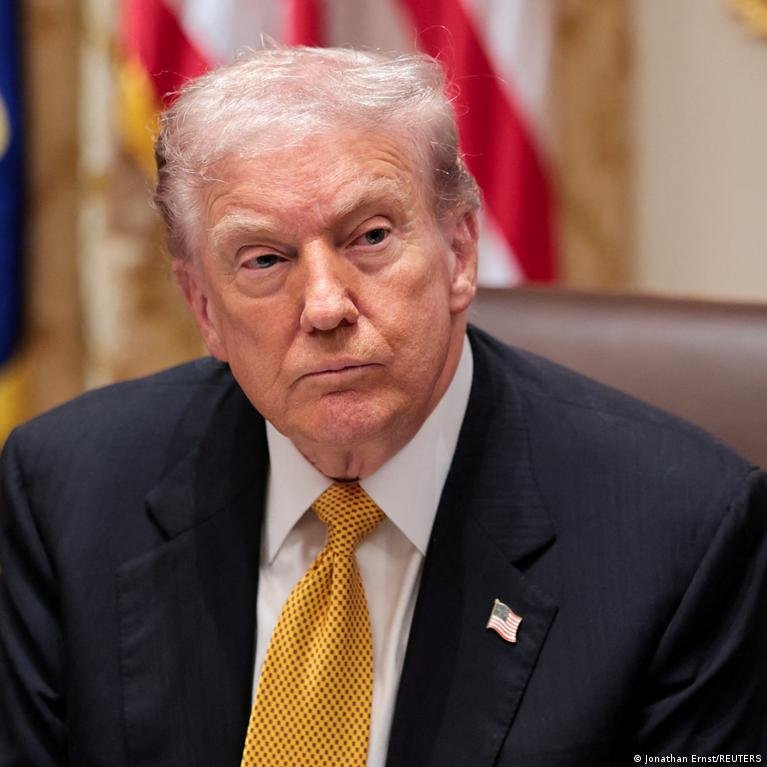
OTTAWA — U.S. President Donald Trump escalated his rhetoric about Canada and its relationship with China over the weekend, posting online that the country is “systematically destroying itself,” describing what he called “the China deal” as a “disaster,” and adding, “I only hope they leave Ice Hockey alone!”
In a message posted Sunday afternoon on Truth Social, Trump said the situation “will go down as one of the worst deals, of any kind, in history,” and claimed “all their businesses are moving to the USA.”
Trump also wrote that China is “successfully and completely taking over” Canada, calling it “so sad to see it happen,” before turning to the line that quickly drew attention north of the border: “I only hope they leave Ice Hockey alone!”
The latest remarks build on a series of recent comments from the U.S. president about Canada’s economic direction and its place in a shifting global trade landscape, with China again cast as a central antagonist in Trump’s messaging.
A flare-up in a sensitive trade moment
While Trump’s post did not lay out specific policy measures, his language suggested he views Canada’s interactions with China through the lens of trade and economic leverage. By describing “the China deal” as a “disaster” and asserting it would rank among the “worst” agreements, Trump signalled that Canada’s decisions around international commerce remain in the U.S. political spotlight.
For Canada, the timing matters. Cross-border trade underpins millions of jobs, and the two economies are tightly integrated through supply chains that stretch across manufacturing, energy, agriculture and services. Even when statements do not immediately translate into formal action, sharp rhetoric from Washington can amplify uncertainty for businesses that depend on stable rules and predictable access to markets.
Trump’s post also included cultural references that resonated in Canada, where hockey is both a national pastime and a major economic enterprise. The “leave Ice Hockey alone” line was framed as a quip, but it underscored the way trade disputes and geopolitical tension can spill into symbolic terrain, turning everyday cultural touchstones into shorthand for national identity.
What Trump said
In his Truth Social message, Trump portrayed Canada as weakened by its approach to China and suggested the country’s economy is tilting toward the United States as a result. “Canada is systematically destroying itself,” he wrote, while calling “the China deal” a “disaster.”
Trump added, “Will go down as one of the worst deals, of any kind, in history,” and claimed, “All their businesses are moving to the USA.”
He also asserted that China is “successfully and completely taking over” Canada, calling it “so sad to see it happen,” and ended with the hockey remark: “I only hope they leave Ice Hockey alone!”
Background: Canada, China and a familiar political pressure point
Canada’s relationship with China has long been a point of friction in North American politics, particularly when U.S. leaders argue that Chinese economic influence could affect trade flows, supply chains or strategic industries. Trump’s weekend message leaned heavily on that theme, pairing a sweeping claim about China “taking over” with a warning-style description of a “China deal” that he characterized as harmful.
Trump’s comments also reflect a broader tendency to frame international economic relationships in stark terms — winners and losers, leverage and dependence — with agreements portrayed as either decisive victories or historic failures. In this case, his post presented Canada as vulnerable and suggested U.S. economic gravity is pulling Canadian business activity south, a claim he used to reinforce his argument that Canada’s approach is self-defeating.
The hockey reference, meanwhile, echoes the way political messages sometimes reach for instantly recognizable symbols. In Canada, hockey is an especially potent emblem — a sport deeply tied to community life, professional entertainment and a shared cultural narrative — which makes it a ready-made reference point in political rhetoric aimed at Canadian audiences.
What happens next
Trump’s post did not spell out what the United States might do in response to what he called “the China deal,” leaving open questions about whether the remarks were primarily political messaging or a preview of a policy move. In recent years, trade disputes have often unfolded in stages: public warnings, negotiations, and — in some cases — the use of tariffs or other economic tools.
In Canada, the immediate focus will likely be on whether the rhetoric is followed by concrete steps that could affect exporters, manufacturers and consumers. Businesses that rely on cross-border commerce tend to watch signals from Washington closely, particularly when language suggests that trade measures could be used as pressure.
For Canadian officials, episodes like this can also sharpen the challenge of balancing relationships with major powers while protecting domestic economic interests. That can mean reassuring industries exposed to policy swings, reinforcing the importance of stable trade rules, and assessing potential risks when political tensions rise.
For many Canadians, the weekend post may land less as a technical trade warning than as a pointed reminder that decisions made — and statements issued — in Washington can quickly ripple into Canadian politics, markets and everyday conversation, even when they arrive packaged with an offhand line about “Ice Hockey.”