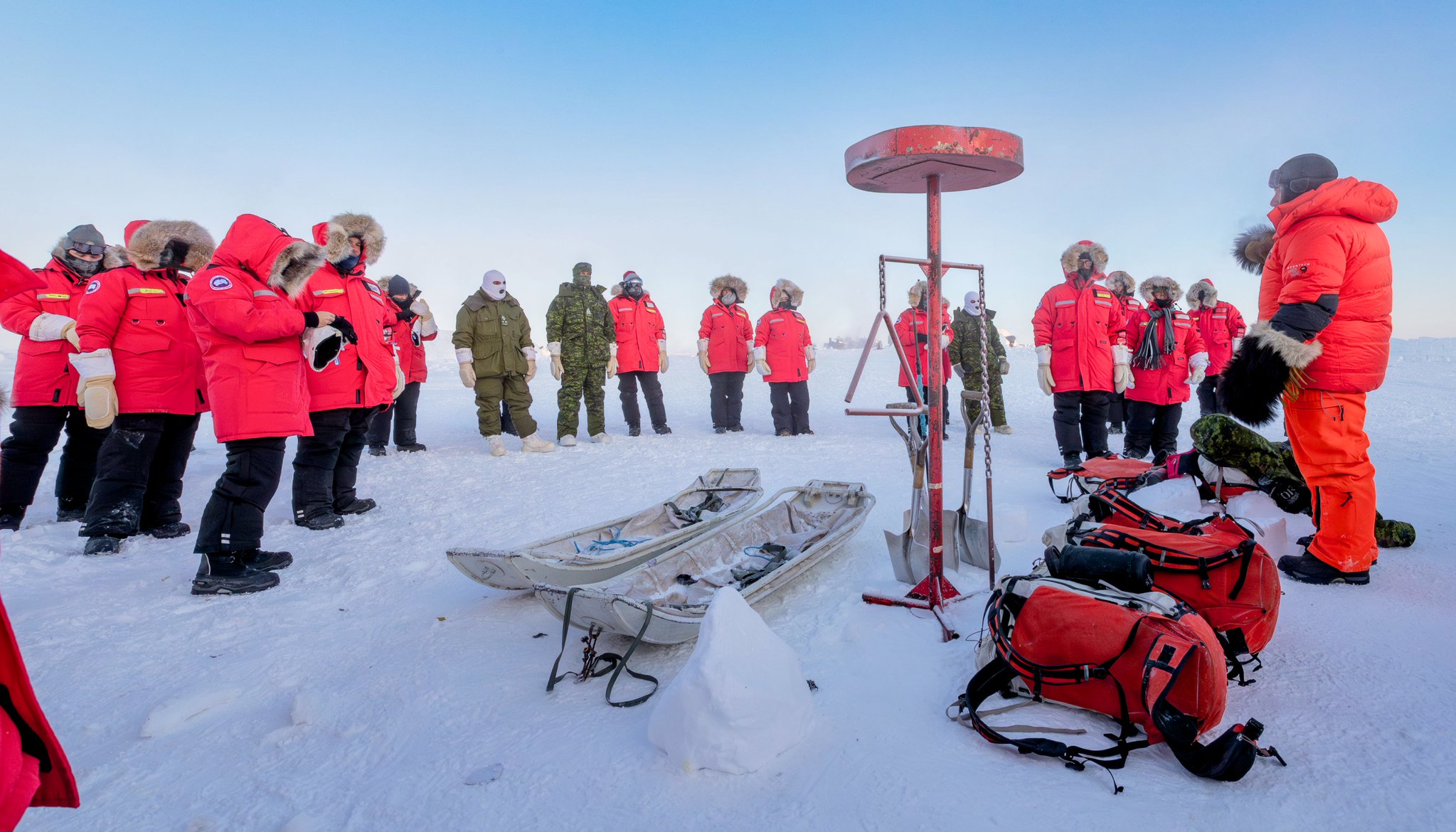
More than 30 Canadian soldiers are recovering from frostbite after a training mission in the Alaskan wilderness. The troops belong to the Petawawa-based 3rd Battalion of the Royal Canadian Regiment.
They were participating in Exercise Global Resolve 2026. This annual drill tests how well forces can fight in extreme cold. The mission is part of Canada’s plan to protect its northern borders alongside NATO allies.
Why It Matters
The Canadian government is spending billions to secure the Arctic. But these injuries raise serious questions. If soldiers cannot survive the training, they cannot defend the territory. The safety of the troops depends on having the right gear and leadership.
A Sudden Deep Freeze
The injuries happened in the early hours of February 21. Temperatures were already low at minus 18 degrees Celsius. Overnight, the weather took a dangerous turn. The temperature plunged to minus 43 degrees Celsius with the wind chill.
The drop happened much faster than weather reports predicted. Army leaders say they acted quickly to set up tents and treat the injured. Major Stacie Nelles described the immediate response to the crisis.
A small number of individuals were hospitalized at the Fairbanks Memorial Hospital. In addition to the hospitalized individuals who were removed from the exercise, there were approximately 30 casualties due to cold weather injuries.
Soldiers Claim Gear Failed
The Army says the weather was the problem. Some soldiers tell a different story. They contacted news outlets to complain about their equipment. These troops claim their government-issued gear is not good enough for the Arctic.
Some soldiers also claim the military tried to hide the number of injuries. Initial reports from the field suggested as many as 60 troops were hurt. The Army did not confirm the numbers until the media began asking questions.
More than 60 Canadian Army troops who participated in Exercise Global Resolve in Alaska in February reportedly suffered frostbite, with several cases described by soldiers as severe. According to reporting by the Ottawa Citizen, some troops involved in the exercise contacted the outlet claiming the Canadian Army attempted to limit public details about the scale of the injuries. The soldiers said a number of cases required medical treatment and forced participants to withdraw from the Arctic training exercise, raising concerns about preparation, conditions, and whether the full extent of the injuries was initially disclosed.
Department of National Defence spokesperson Nick Drescher Brown defended the military’s preparation. He noted that the soldiers received cold weather training before heading to Alaska. He framed the injuries as a known risk of northern operations.
The nature of the injuries was consistent with those expected, both in type and severity, during major operations in the North.
What Comes Next
The Canadian Army says it is always refining its equipment. They insist that no negligence or poor tactics led to the frostbite cases. However, the discrepancy in injury numbers remains a point of contention.
The exercise in Alaska is now ending. The 3rd Battalion was working toward a high-readiness status for global tasks. The military must now decide if changes are needed before the next mission into the deep freeze.