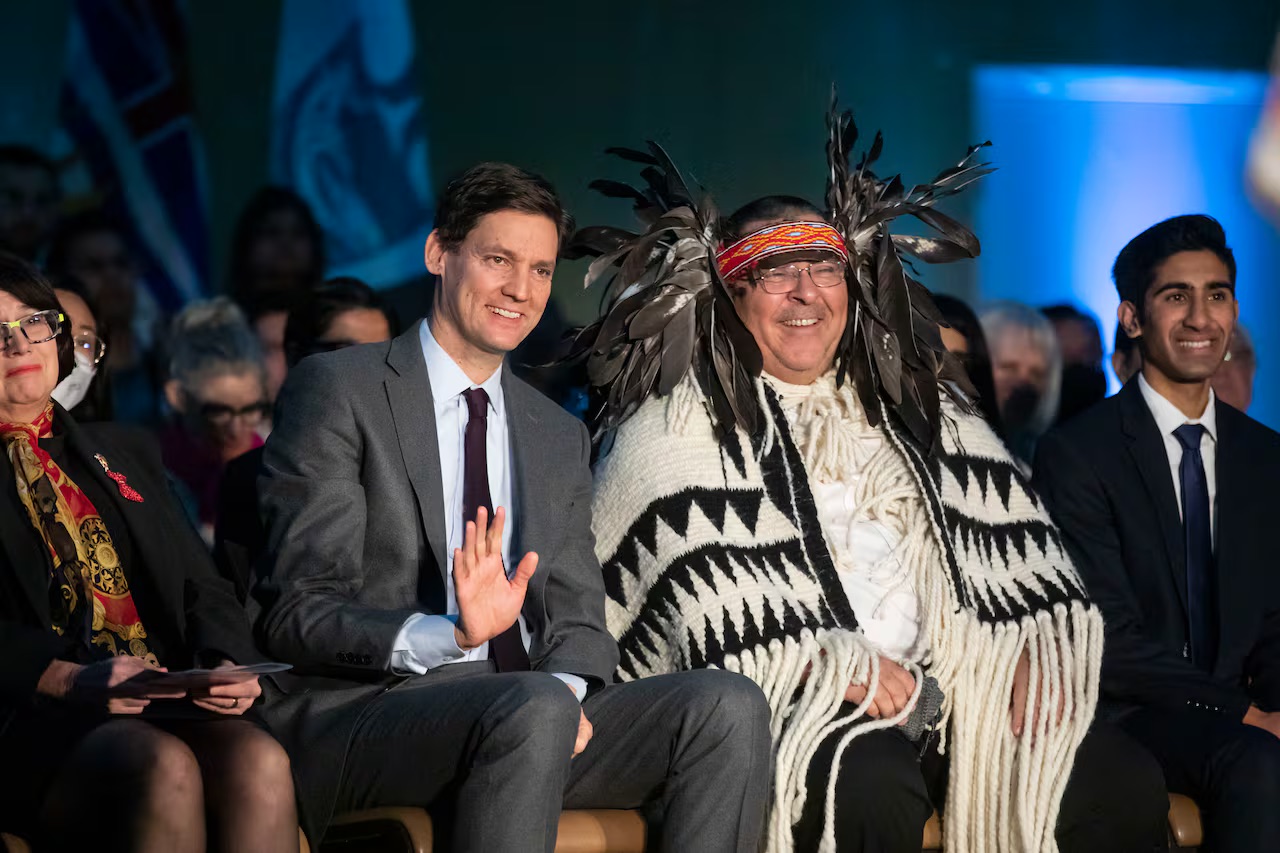
The Canadian federal government has signed agreements with the Musqueam First Nation recognising Aboriginal rights and title over a large portion of Metro Vancouver.
Details of the Musqueam Agreements
On 20 February, Ottawa and the Musqueam Indian Band formalised a series of agreements acknowledging the existence of Aboriginal rights within the Musqueam’s traditional territory. This land covers much of Vancouver and its inner suburbs, including Burnaby, Richmond and Delta, spanning about 533,000 hectares, according to The Globe and Mail.
The agreements include a Rights Recognition Agreement that sets a framework for future negotiations about governance, stewardship and resource management. The federal government and the Musqueam First Nation maintain these agreements do not affect private property rights, which are often described as “fee simple” ownership, the most common form of private land title.
Despite official assurances, the agreements have raised questions following a landmark July 2023 B.C. Supreme Court ruling in the Cowichan decision. That ruling affirmed indigenous title as a “prior and senior right” to land, superseding fee simple ownership in some cases, which has unsettled private landowners.
The controversy intensified due to the federal government’s initial reluctance to publicly release the full text of the agreements, leading to criticism from experts and political figures alike.
Real estate consultant Steve Saretsky highlighted the issue on social media, stressing the lack of media coverage about the agreement and the government’s refusal to make it public.
The federal government is refusing to publicly release an agreement with the Musqueam Band that recognizes Aboriginal title over a vast area of Metro Vancouver.
What is perhaps more perplexing is no mainstream media outlet has even reported on this agreement.…
— Steve Saretsky (@SteveSaretsky) March 1, 2026
Government and First Nation Perspectives
Wendy Grant-John, the Musqueam’s chief negotiator, described the February agreement as a starting point for future discussions on joint decision-making and management of the land. She emphasised that the Musqueam are not seeking to override or take away anyone’s private property rights.
“We are trying to put ourselves back to the dignity of who we were,” she told the National Post, dismissing fears of land seizures as “wrong-minded.”
Rebecca Alty, Canada’s Minister of Crown-Indigenous Relations, reiterated that the deal does not affect private land ownership. She stated on the social media platform X (formerly Twitter) that suggestions otherwise are false and that the agreement creates a path to negotiate rights instead of pursuing court cases.
The Musqueam First Nation also released a statement affirming that the agreements do not relate to land ownership and have no impact on fee simple lands.
Political and Public Reactions
HAPPENING NOW: BC Premier admits he wasn’t briefed on the details of an agreement between the Musqueam First and Ottawa despite sitting front row for the signing ceremony. Eby then accuses BC Conservatives of “spreading nonsense” about “people not owning their homes anymore.” pic.twitter.com/8Toma98o3w
— Alex Zoltan (@AmazingZoltan) March 3, 2026
British Columbia Premier David Eby told reporters he had not been briefed on the details of the agreements two weeks after the signing, despite attending the ceremony. He said he received no prior information or access to the agreement’s text, raising questions about intergovernmental communication.
Opposition politicians expressed scepticism about the Premier’s claims. Trevor Halford, interim leader of the B.C. Conservatives, accused Mr Eby of misleading the public about his knowledge of the deal.
The deal has stirred unease among landowners and businesses in Metro Vancouver, who worry about the security and marketability of their properties. This concern follows the Cowichan decision, which has already led to uncertainty in the real estate market, including difficulties with financing and transactions.
Geoff Russ, a local commentator, described the federal government’s handling of the deal as “an intolerable veil of secrecy” given the scale of the recognised territory and the lack of clarity on its implications.
Context and Background
Aboriginal title refers to the inherent rights of Indigenous peoples to their traditional lands, recognised under Canadian law but often contested. The 2023 Cowichan decision was a significant ruling that upheld these rights over some lands previously granted as private property.
British Columbia is home to numerous First Nations with overlapping traditional territories, making negotiations complex. The federal government’s approach aims to move away from costly court battles towards negotiated agreements that set frameworks for cooperation on land and resource management.
However, the lack of detailed maps or clear boundaries in the Musqueam agreement leaves room for interpretation and concern among residents and landowners in the region.