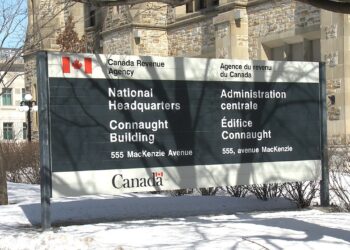
Canada’s top banking regulator issued a formal warning to the nation’s largest financial institutions regarding the use of automated valuation methods to bypass mortgage lending limits. The Office of the Superintendent of Financial Institutions met with bank executives in October to address concerns over risky appraisal practices. The regulator cautioned against the use of “blanket appraisals,” which provide a broad valuation for multiple units in a development without individual inspections.
Royal Bank of Canada reportedly adjusted its internal lending procedures following the regulatory meeting. A report from Reuters indicates the bank is now being less public about its use of these valuation methods. The changes come as federal officials increase scrutiny on how banks manage real estate risk in a volatile market.
Regulatory Pressure on Blanket Appraisals
The practice of using blanket appraisals has drawn criticism for potentially inflating property values. These valuations are often described as “rubber stamp” approvals for large portfolios. Regulators expressed concern that these appraisals do not reflect the true current market value of individual properties.
Royal Bank of Canada previously utilized these appraisals to streamline the mortgage process for new developments. The bank faced allegations of using these methods to circumvent federal lending laws. Following the October warning, the institution has reportedly moved toward more discreet methods of valuation.
Legal Loopholes and Loan-to-Value Limits
Federal law in Canada prohibits banks from lending more than 80 percent of a home’s value without mortgage insurance. This loan-to-value limit is a primary safety mechanism for the Canadian financial system. The law is designed to ensure that borrowers have sufficient equity in their homes.
Banks have reportedly used purchase prices from several years ago to satisfy this legal requirement. If a property was purchased for a high price during a market peak, the bank may use that figure for the loan calculation. This occurs even if the current market value of the home has significantly declined.
By using the original purchase price, banks can technically remain under the 80 percent threshold. This practice allows lenders to avoid the requirement for mortgage insurance on properties that are actually worth less than the loan balance. Industry experts suggest this creates a disconnect between the bank’s books and the reality of the real estate market.
Impact on the Toronto Housing Market
The Toronto condominium market serves as a primary example of where these appraisal practices are most prevalent. Many units in the city were purchased at high prices before recent interest rate hikes. As values in the condo sector fluctuate, the gap between purchase prices and current values has widened.
Lenders who rely on outdated purchase prices may be overexposed to market downturns. If a borrower defaults on a property worth less than the mortgage, the bank faces a higher risk of financial loss. The regulator’s warning aims to prevent a systemic failure if property values continue to soften in major urban centers.
Technically by law, RBC is not allowed to loan more than 80 percent of a home’s value. RBC gets around this by using the purchase price instead of the current value.
Economic Consequences and Moral Hazard
The continued use of risky lending practices creates what economists call a moral hazard. This situation occurs when a bank takes risks because it believes it will not bear the full cost of a potential failure. Such behavior encourages further risky lending across the entire financial sector.
If large banks face insolvency due to real estate losses, the government may feel pressured to provide a bailout. Taxpayers would ultimately fund these bailouts to prevent a total economic collapse. The banking regulator is attempting to stop this cycle before it requires federal intervention.
The Bank of Canada is scheduled to make its next policy rate announcement on Wednesday. This announcement will likely include a press conference to discuss the state of the economy. Mortgage rates and lending standards remain a central focus for policymakers as they attempt to balance inflation and financial stability.
- OSFI warned banks against using blanket appraisals in October.
- RBC modified its practices following a report from Reuters.
- Federal law limits uninsured mortgages to 80 percent of a property’s value.
- Banks are using purchase prices to bypass current market valuations.
- The Toronto condo market is particularly vulnerable to these lending gaps.
The regulator’s move signals a shift toward stricter enforcement of existing mortgage laws. Banks must now find ways to value properties that satisfy both legal requirements and market realities. Failure to comply could lead to further intervention from the federal government.