
A 19-year-old Canadian woman drowned after being attacked by a pack of dingoes on K’Gari Island, Queensland, an Australian coroner has confirmed.
Details of the Incident
Piper James, originally from Campbell River, British Columbia, was found dead on 19 January surrounded by about ten dingoes on the beach of K’Gari, formerly Fraser Island. The Coroners Court of Queensland stated that she died from drowning in the context of multiple injuries caused by the dingo attack. A forensic pathologist from Queensland Health confirmed the cause of death.
James had been working on the island during a backpacking trip she started in October 2025. She was reportedly on an early morning walk when the attack occurred. Authorities discovered evidence of pre-mortem dingo bites during the autopsy, indicating the injuries were sustained before her death.
The investigation into the circumstances surrounding Piper James’s death remains ongoing, with no further information released at this time, according to the Coroners Court spokesperson.
Conservation and Safety Concerns on K’Gari
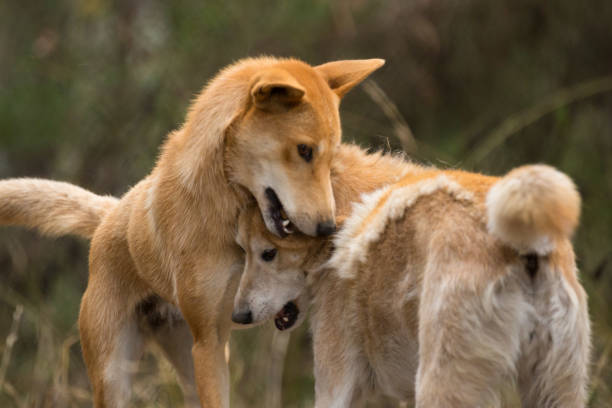
K’Gari Island is a World Heritage-listed site known for its population of approximately 200 wild dingoes. The animals are native to Australia and hold cultural significance for the Butchulla people, who call them wongari. The island’s dingo population is protected, but incidents like this have raised concerns about visitor safety.
Following the attack, Australian rangers euthanised about eight dingoes from the pack, citing aggressive behaviour and deeming them an unacceptable public safety risk. This decision sparked debate regarding the impact on the genetic diversity and long-term viability of the dingo population, as culling represents about five percent of the island’s animals.
Visitors to K’Gari are warned to be cautious around dingoes. Authorities advise carrying a stick and remaining vigilant, as dingoes can approach quickly and have been known to bite or maul people.
Reactions and Perspectives
The death has prompted a range of responses, from calls for stronger public safety measures to concerns about wildlife conservation. Some argue that culling is necessary to protect visitors, while others highlight the ecological importance of preserving the dingo population and respecting indigenous cultural values.
Piper James was remembered in a service held in Campbell River on 28 February. Family and friends described her as curious and bold, qualities that characterised her months-long backpacking adventure.
The criticism and discussion over balancing tourism and wildlife protection were reflected in social media commentary. The debate was shaped by voices advocating for both visitor safety and environmental stewardship. The following tweet from author J.K. Rowling illustrates the wider conversation on wildlife encounters and human safety:
Background on Dingoes and K’Gari Island
Dingoes are wild dogs native to Australia, believed to have arrived on the continent around 4,000 years ago. They are apex predators that play an important role in the ecosystem. On K’Gari, their presence is both a draw and a risk for visitors. The island’s status as a World Heritage site recognises its ecological and cultural value.
Despite warnings, dingo attacks on humans are rare but not unprecedented. The balance between protecting the dingoes and ensuring human safety continues to be a complex challenge for Australian authorities.
Authorities maintain that visitors should remain aware of the risks and follow safety guidelines strictly when on the island.