Peter Fector, an 18-year-old apprentice bricklayer, died attempting to escape East Berlin in 1962, highlighting the deadly risks people faced at the Berlin Wall.
A fatal attempt to flee East Germany
On 17 August 1962, almost exactly one year after the Berlin Wall was erected, Peter Fector and a friend made a desperate bid for freedom. They waited until guards were distracted, sprinted across no man’s land, and began to climb the wall separating East and West Berlin. While his friend successfully crossed, Peter was shot in the pelvis and fell back onto East German territory, tangled in barbed wire. Despite the efforts of West Germans throwing bandages from their side, they could not safely rescue him. Peter died after bleeding for an hour in full view of hundreds of witnesses.The East German government called the Berlin Wall an “anti-fascist protection rampart,” a phrase that critics say was propaganda masking its real purpose: to prevent East Germans fleeing to the West. The wall symbolised not strength, but the regime’s failure to provide better living conditions than capitalist West Germany.More than 1,000 people lost their lives trying to escape East Germany, with around 140 deaths occurring at the Berlin Wall itself. Methods of escape varied from climbing the wall to swimming across rivers patrolled by guards, often under machine gun fire and spotlights. Each escape attempt involved a deadly risk taken for the chance of liberty.
The ideological division and historic context
The Berlin Wall did more than separate a city; it divided two fundamentally different political and economic systems. West Germany embraced democracy, free elections, and market capitalism, while East Germany was governed by a communist regime that emphasised central planning and bureaucratic control. This division was both literal and ideological, representing a Cold War battleground between freedom and authoritarianism.Western democracies enjoyed economic growth and cultural freedom, while the East relied on surveillance, repression, and terror to maintain control. Estimates suggest that Soviet communism led to tens of millions of deaths from political purges, forced relocations, famines, and imprisonment in labour camps known as gulags.Almost 40 years after the fall of the Berlin Wall, sites such as Checkpoint Charlie have become tourist attractions, often obscuring the harsh realities faced by those who lived through the division.
Modern reflections on freedom and authoritarianism
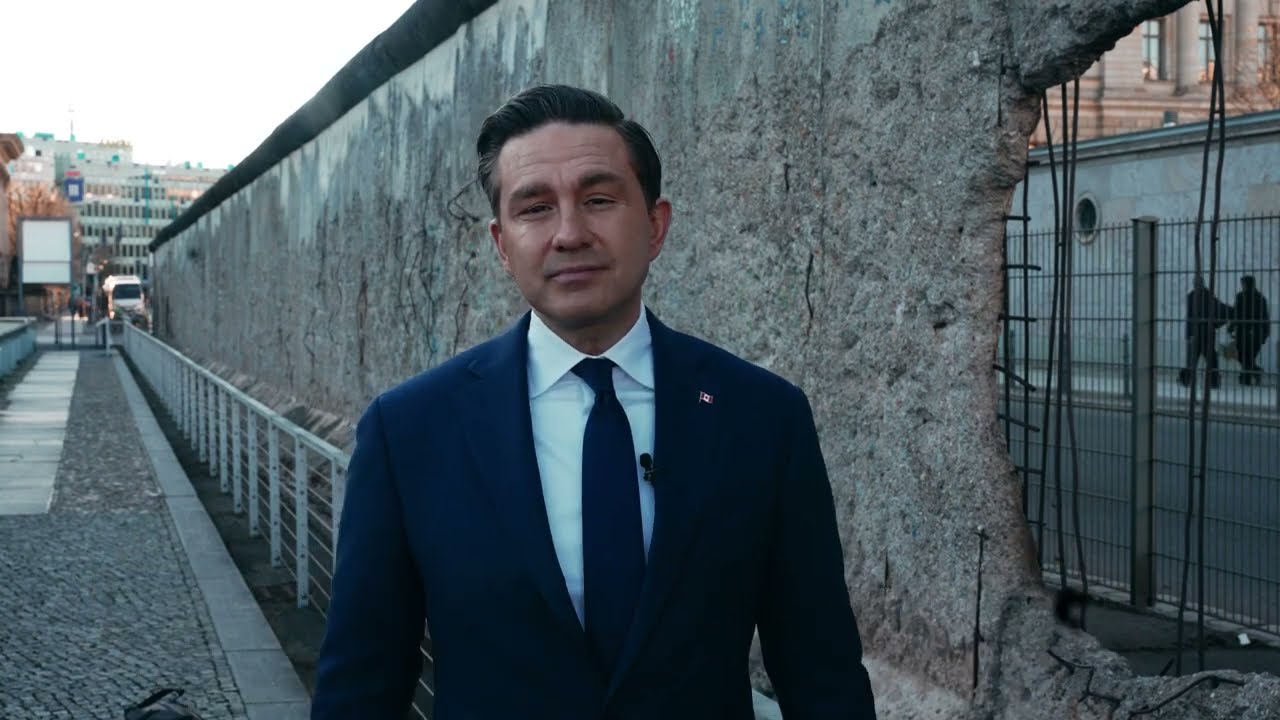
Poilievre emphasised the need for vigilance to protect democratic freedoms, citing former US President Ronald Reagan’s warning that “freedom is only one generation away from extinction.” He urged his generation to preserve the liberty won by their forebears, in the face of threats from regimes like those in Russia, China, and Iran.The following tweet from Pierre Poilievre captures his reflections on the Cold War, the Berlin Wall, and the enduring fight for freedom.