TORONTO — Ontario’s government is ending its long-standing tuition freeze and overhauling student aid as it rolls out a multi-year funding plan aimed at stabilizing the province’s colleges and universities, a move school leaders say is urgently needed to shore up a sector facing mounting financial strain.
The province announced it will allow institutions to raise tuition after years of frozen rates, while also increasing operating funding and reforming the Ontario Student Assistance Program (OSAP). The changes are intended to address structural deficits at many campuses and respond to concerns that stagnant domestic tuition and shifting international enrolment have left post-secondary institutions on uncertain financial footing.
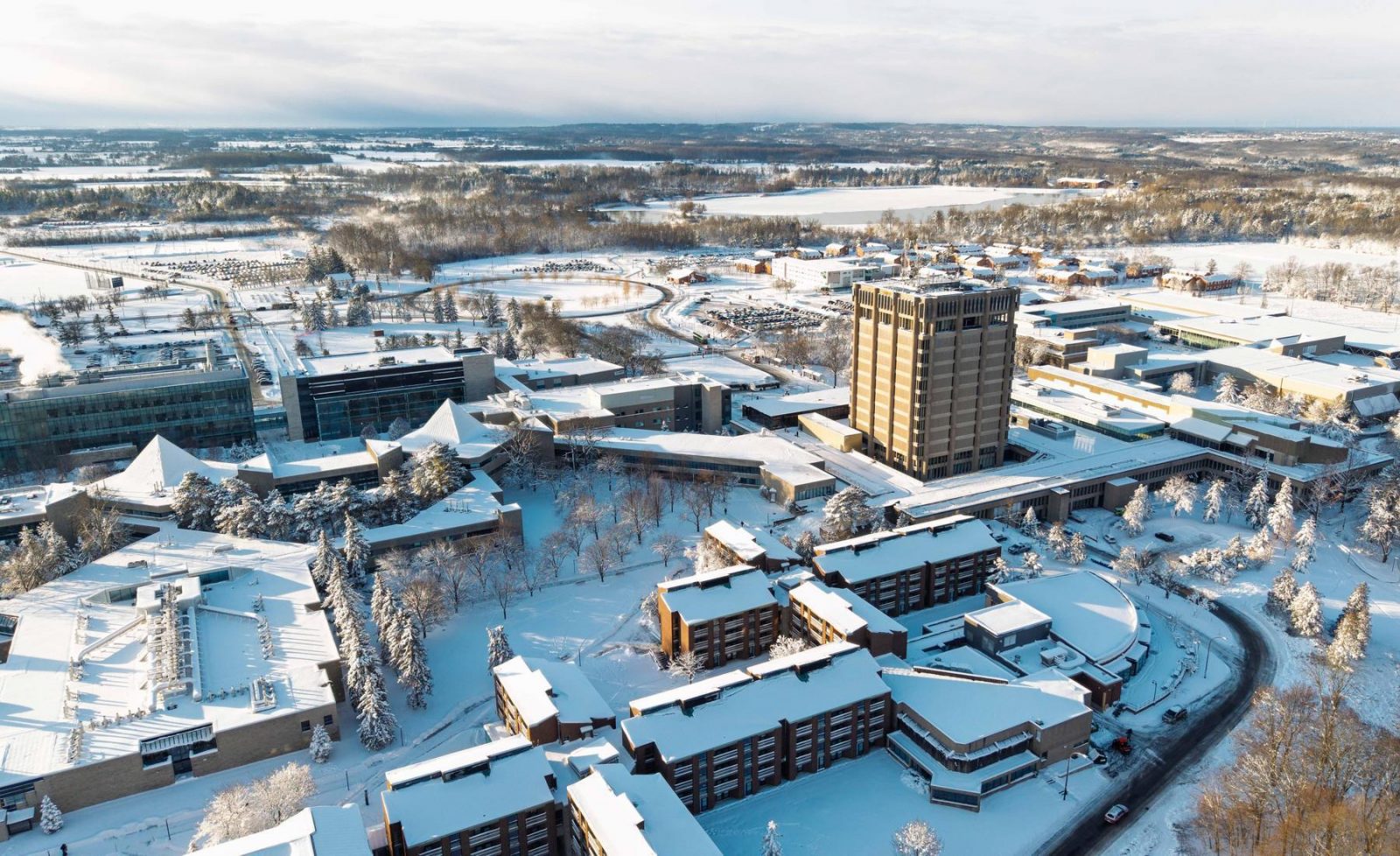
In a statement, Brock University President Lesley Rigg welcomed the province’s action, calling it a necessary step toward long-term sustainability. Rigg said stable and predictable funding is essential for universities to continue delivering high-quality education and research, particularly at a time when institutions are navigating rising costs and evolving student needs.
End of a Tuition Freeze
Ontario froze tuition in 2019, a move that was popular with students but drew criticism from institutions that argued it did not account for inflation and cost pressures. Under the new plan, schools will be permitted to increase tuition within government-set limits beginning in the upcoming academic year.
Provincial officials say the change is part of a broader strategy to restore financial balance to the sector. The government has pledged new operating funds and introduced adjustments to OSAP designed to ensure students continue to have access to financial support as tuition rises.
The tuition framework will continue to cap annual increases, but the freeze itself will no longer apply. The province maintains that the approach strikes a balance between institutional sustainability and student affordability.
Changes to Student Aid
Alongside the funding boost, Ontario is reforming OSAP, the province’s main student financial assistance program. The government says updates will modernize the system and better target support to students with demonstrated financial need.
Details released by the province indicate that the reforms include adjustments to grant and loan ratios and revised eligibility criteria. Officials say the aim is to make the program more predictable and sustainable over the long term.
The government argues that without reform, the financial pressures on institutions could lead to program cuts, staff reductions or diminished student services. By pairing tuition flexibility with aid changes, the province says it can protect access while improving institutional stability.
Sector Welcomes Funding Relief
University and college leaders across Ontario have warned for months that campuses are grappling with operating deficits. Some institutions have announced hiring freezes and spending reviews, while others have cited concerns about maintaining academic offerings and student supports.
At Brock University, Rigg said the province’s decision acknowledges the financial realities facing institutions. She noted that universities play a critical role in local economies and workforce development, particularly in regions like Niagara, and require stable funding to plan for the future.
Post-secondary advocates have long argued that Ontario ranks near the bottom among provinces in per-student funding. Institutions have increasingly relied on international student tuition to help balance their books, a model that has become less certain amid federal changes to study permit policies and global competition for students.
The province’s announcement signals recognition of those vulnerabilities. By boosting base funding and allowing modest tuition increases, the government says it is creating conditions for institutions to reduce reliance on volatile revenue streams.
Background: Financial Pressures Mount
The funding overhaul follows months of consultations and growing public debate about the sustainability of Ontario’s post-secondary system. University and college administrators have pointed to inflation, wage settlements and infrastructure costs as key drivers of financial strain.
The tuition freeze, introduced in 2019 and extended in subsequent years, limited institutions’ ability to offset those pressures through domestic tuition revenue. While intended to improve affordability, leaders argued the freeze contributed to widening budget gaps.
At the same time, federal caps on international student permits have added uncertainty to enrolment projections. Because international tuition fees are typically higher than domestic rates, many schools had come to rely on those revenues to fund programming and campus services.
The province’s plan is framed as a response to those converging challenges. Officials say increased operating grants will help stabilize budgets, while OSAP reforms will ensure financial assistance remains aligned with rising tuition.
- Tuition freeze lifted after several years in place
- Operating funding for colleges and universities increased
- OSAP reforms aimed at long-term sustainability and targeted support
- Institutions say changes provide needed financial predictability
What Happens Next
The new tuition framework is set to take effect in the next academic year, with institutions expected to outline their specific fee adjustments within provincial guidelines. Schools will also assess how the additional operating funds will be allocated, including whether to address deficits, invest in academic programs or bolster student services.
Changes to OSAP will be phased in according to timelines set by the Ministry of Colleges and Universities. Students applying for aid in the upcoming cycle will receive updated information about eligibility and funding levels as details are finalized.
Post-secondary institutions say they will continue to engage with the province on longer-term reforms, including potential performance metrics and accountability measures tied to funding.
For students and families, the changes mark the end of a predictable tuition freeze and the beginning of a new funding era. For universities and colleges, leaders say the province’s decision offers a measure of financial certainty at a time when the sector is confronting significant economic and demographic headwinds.
As Ontario reshapes its approach to post-secondary education, the impact will be felt not only on campuses but in communities across the province that depend on colleges and universities as engines of research, innovation and economic growth.