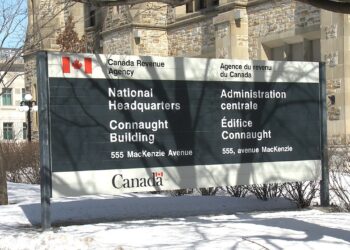
Canadian authorities have reported a significant rise in tax-related scams as the 2026 tax filing season begins.
Increase in Sophisticated Tax Scams
Police and cybersecurity experts warn that fraudsters are exploiting artificial intelligence (AI) to create more convincing scams targeting Canadians. The Canada Revenue Agency (CRA) has confirmed that scammers use AI to craft believable emails, text messages, and voice calls designed to steal personal and financial information.
Miles Walker, a cybersecurity expert at Kaseya, told Global News that AI enables criminals to generate highly authentic communications, including voice calls that direct victims to fraudulent call centres. This development marks a new level of sophistication compared to previous years.
According to the Ontario Provincial Police (OPP), scammers frequently impersonate CRA employees and use phishing emails, spoofed caller ID numbers, and fake websites to trick individuals. These fraudulent websites often mimic the CRA’s official portals but have unusual domain names.
The CRA has reiterated that it never requests personal or financial details by email or voicemail, nor does it send refunds via e-transfer or text message. It also does not threaten legal action or demand immediate payment over the phone.
The Canadian Anti-Fraud Centre (CAFC) continues to receive a high volume of reports involving tax scams and advises Canadians to report suspicious activity promptly.
The CRA’s warnings and advice on how to identify scams were emphasised by the OPP in their recent public advisory. The police urged people to verify all communications by contacting the CRA directly and to avoid clicking on unsolicited links.
Anne Drewa, a Global News reporter, highlighted the growing threat of AI-generated scams and explained the risks involved. She tweeted insights on the issue, emphasising the need for vigilance during tax season.
Protecting Yourself Against Fraud
Experts recommend several steps to avoid falling victim to these scams. Canadians are advised not to click on links or download attachments from unexpected emails or messages claiming to be from the CRA. Instead, individuals should contact the agency directly using official contact details.
The CRA also advises monitoring your CRA MyAccount regularly for any suspicious activity and consulting trusted sources before responding to urgent or threatening messages. Payment requests via cryptocurrency, gift cards, or e-transfer should be treated as red flags.
The CAFC encourages all Canadians to report any suspected scams through their official website, regardless of whether personal information has been shared.
Context and Response
The rise of AI-generated scams comes amid a broader increase in cybercrime exploiting new technologies. The use of generative AI allows criminals to produce content that previously required specialised skills and resources.
Authorities acknowledge the challenges posed by these advances and continue to update their strategies to protect the public. The CRA, OPP, and CAFC remain engaged in public awareness campaigns and encourage collaboration between agencies to combat fraud.
While the CRA and law enforcement agencies strive to educate Canadians, the evolving tactics of fraudsters require ongoing vigilance from individuals and organisations alike.