Gas prices in Vancouver have surged past $1.80 per litre as the conflict involving Iran disrupts global oil supplies.
Rising costs at the pump
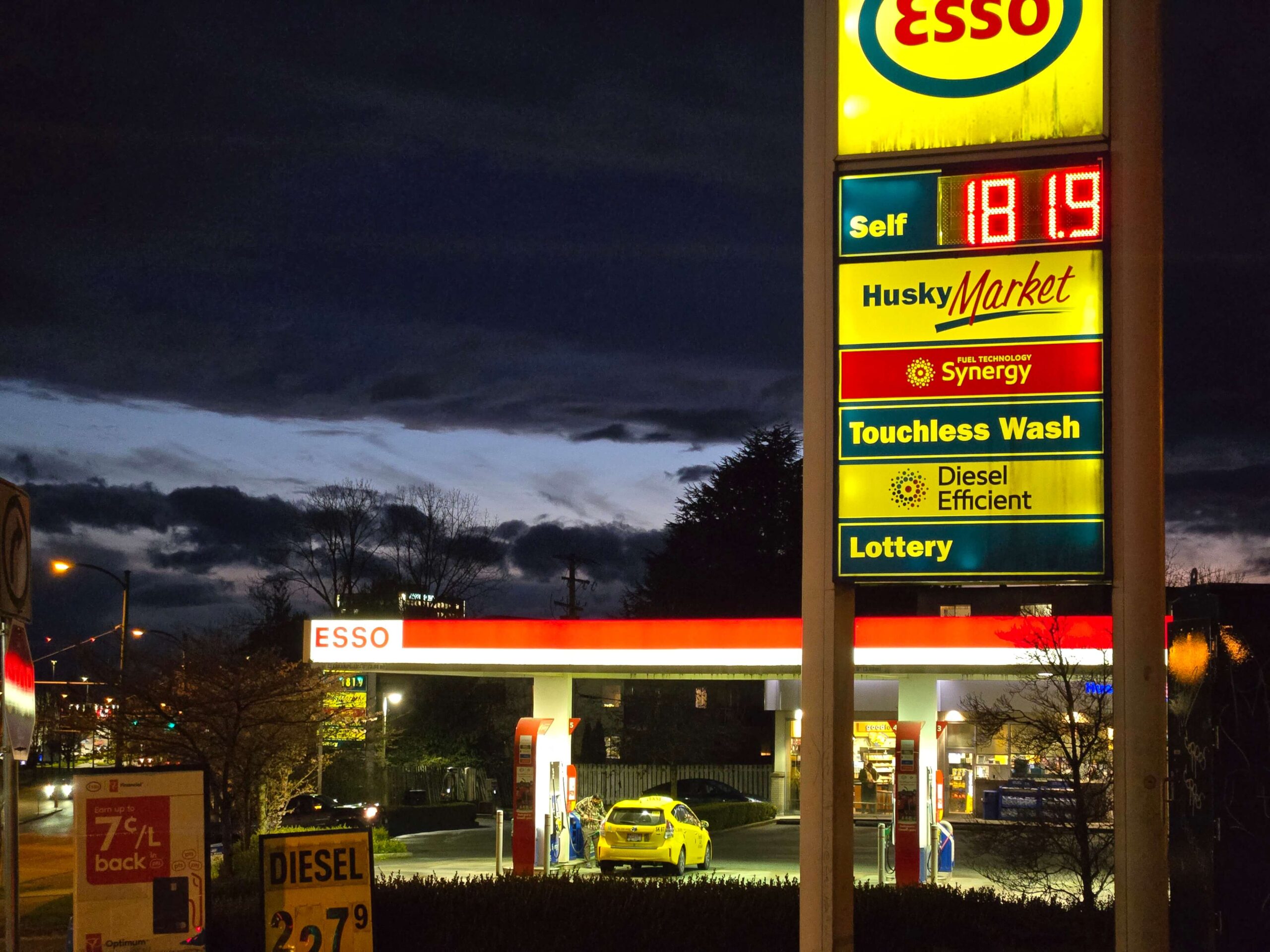
The price of gasoline in Metro Vancouver reached 187.43 cents per litre on Monday, up over 20 cents from last week, according to the GasBuddy fuel price portal. This increase follows a jump in crude oil prices, which have risen from around $70 to nearly $100 US per barrel in the past week, driven by the ongoing war between the US, Israel and Iran.
Patrick De Haan, head of petroleum analysis at GasBuddy, explained that the surge is largely due to uncertainty surrounding shipments through the Strait of Hormuz. This narrow waterway is a vital chokepoint, carrying about 20% of the world’s oil supply. While it has not been officially closed, the increased risk of attacks has caused vessels to halt transit, disrupting supply chains.
The following tweet from Patrick De Haan highlights the impact of the Strait of Hormuz on current prices:
Predictions and contributing factors
Werner Antweiler, an energy expert at the University of British Columbia’s Sauder School of Business, warned that gas prices could exceed $2 per litre if the conflict continues. He noted that each one-dollar increase in the price of a barrel of crude oil adds roughly 1.4 cents per litre to pump prices in British Columbia. With oil prices possibly rising above $120 per barrel, consumers may face sustained high costs.
Factors beyond crude oil prices also affect retail fuel costs. Refining expenses and retail margins fluctuate but have less impact than crude prices. Taxes on fuel in B.C. have actually decreased since the province eliminated its consumer carbon tax last year, slightly mitigating price increases.
Suzanne Gray, a sales and services consultant with Kalibrate, pointed to seasonal demand as another driver of rising prices. Summer months generally see higher fuel costs as refiners switch to more expensive blends. Additionally, the closure of refineries on the West Coast — including the permanent shutdown of the Phillips 66 refinery in Los Angeles in 2025 — has reduced regional refining capacity, increasing reliance on imports and susceptibility to price spikes.
Market instability amid geopolitical tensions
The war that began on 28 February 2026, following US and Israeli attacks on Iran, has destabilised global energy markets. President Donald Trump has suggested the conflict might last four to five weeks but warned it could be “far longer than that,” which could further pressure oil prices.
Patrick De Haan emphasised the unusual market conditions, saying the elevated risk of attacks on vessels in the Strait of Hormuz has created uncertainty in shipping schedules, compounding the supply crunch.
The ongoing tension and its effect on global oil supply were summarised in the following statement by Suzanne Gray:
Public reaction and economic outlook
Consumers in Vancouver and across British Columbia have expressed concern about the rising fuel costs, which affect transportation and household budgets. Past spikes in 2022 and 2025, linked to refinery closures and supply constraints, have shown how vulnerable the region is to global market shifts.
Experts suggest that unless the conflict eases and shipping through the Strait of Hormuz stabilises, prices could remain elevated for weeks or months. The situation remains fluid, with analysts watching crude prices and regional refinery operations closely.
Background on fuel pricing in British Columbia
Fuel prices in B.C. are influenced by four main components: the crude oil price, refining costs, retail margins, and taxes. Of these, crude oil prices are the most volatile and impactful. The province’s removal of the consumer carbon tax on fuel in 2025 provided some relief, with prices often dipping below $1.50 per litre in stable market conditions.
However, the current geopolitical tensions and refinery shutdowns have reversed this trend, pushing prices to new highs. The closure of refineries on the West Coast has reduced supply security, making the region more exposed to international market fluctuations.