Gas prices across Canada have surged significantly amid escalating conflict in the Middle East, reaching their highest levels in over a year, according to recent data.
Sharp increases in fuel costs across provinces
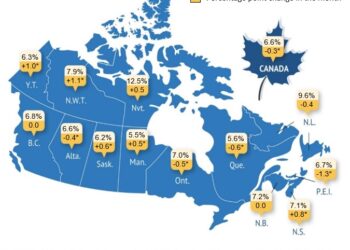
Since the outbreak of hostilities involving Iran, Canadian motorists have faced notable increases in gasoline prices. British Columbia and Prince Edward Island have been hit hardest, with pump prices rising to between $1.50 and $1.60 per litre, well above the national average of approximately $1.38 per litre as of early March 2026. Other provinces have experienced smaller but still significant rises, generally ranging from 3 to 8 cents per litre over the past week.
Industry analysts warn that prices could climb further in the short term, potentially increasing by an additional 5 to 10 cents per litre if tensions persist or escalate. This would translate to motorists paying up to $1.65 per litre in the most affected regions.
The following table summarises the approximate current price range by province, the weekly increase, and forecasted near-term prices:
- British Columbia: $1.50–$1.60 per litre (up 7–9 cents), forecast $1.60–$1.65
- Prince Edward Island: $1.52–$1.58 per litre (up 6–8 cents), forecast $1.60+
- Ontario: $1.35–$1.40 per litre (up 4–6 cents), forecast $1.40–$1.45
- Quebec: $1.33–$1.38 per litre (up 3–5 cents), forecast $1.38–$1.43
- Alberta: $1.25–$1.30 per litre (up 3–4 cents), forecast $1.30–$1.35
Why oil prices rise despite Canada’s domestic supply
Canada is a significant oil producer, yet domestic fuel prices remain highly sensitive to global market fluctuations. Experts attribute this to the international nature of oil pricing, which is largely set on global exchanges and influenced by geopolitical events.
When conflict disrupts supply in the Middle East — a key oil-producing region — global crude prices spike. Since much Canadian refined fuel derives from both domestic and imported crude, these international price shifts quickly affect Canadian pump prices.
Some analysts argue that Canada’s government missed opportunities in the past to better leverage its energy resources to stabilise domestic fuel costs. For example, strategic reserves or greater refining capacity might have buffered Canadians from such price shocks.
Impact on Canadian consumers and economy
The price surge is expected to strain household budgets nationwide, particularly in provinces with higher fuel costs. Increased transportation expenses often ripple through the economy, leading to higher prices for goods and services.
Rural and remote communities, which rely heavily on personal vehicles, may experience amplified hardship. Additionally, businesses dependent on logistics and distribution face rising operational costs, which could slow economic growth.
Transportation advocacy groups have urged governments to consider targeted relief or subsidies to mitigate the impact on vulnerable populations.
The criticism was immediate, with prominent voices weighing in. Political commentator Aaron D’Andrea addressed the price surge on X, highlighting regional disparities and consumer frustration:
Context of the Middle East conflict and Canadian response
The recent escalation in the Middle East involves Iran launching attacks on the United States, Israel, and neighbouring Gulf countries. This has led to heightened tensions and the possibility of a wider conflict, which is driving oil market instability.
Canada has announced plans to evacuate Canadian citizens from the region and is monitoring the situation closely. Officials have emphasised that while the country is not currently engaged militarily, no options are being categorically ruled out, according to statements by senior government figures.
The minister’s response came swiftly on social media, addressing concerns over Canada’s position amid the conflict: