JERUSALEM/WASHINGTON — Israel launched military strikes on Iran and declared a nationwide state of emergency Friday, as the United States confirmed it had carried out bombing raids on Iranian targets, marking a sharp escalation in tensions that threaten to widen conflict across the Middle East.
Israeli officials said their forces targeted sites inside Iran in what they described as a defensive operation aimed at countering imminent threats. Shortly afterward, Israel declared a state of emergency, warning citizens to prepare for potential retaliation.
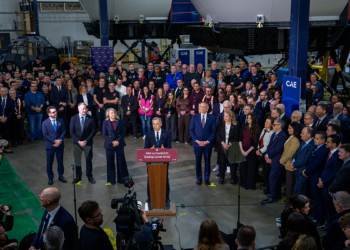
In Washington, U.S. President Donald Trump confirmed American forces had bombed Iranian targets, framing the action as necessary to protect U.S. interests and regional stability. The strikes represent one of the most direct confrontations between Washington and Tehran in years and come amid mounting hostilities involving Israel and Iranian-backed groups.
State of Emergency in Israel
Israeli authorities said the decision to declare a state of emergency was taken out of concern for possible missile and drone attacks in response to the strikes. Emergency measures included restrictions on public gatherings and heightened readiness for civil defence systems.
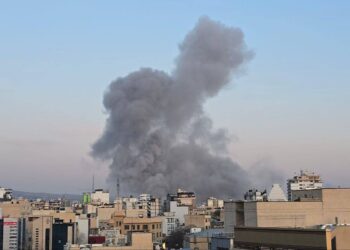
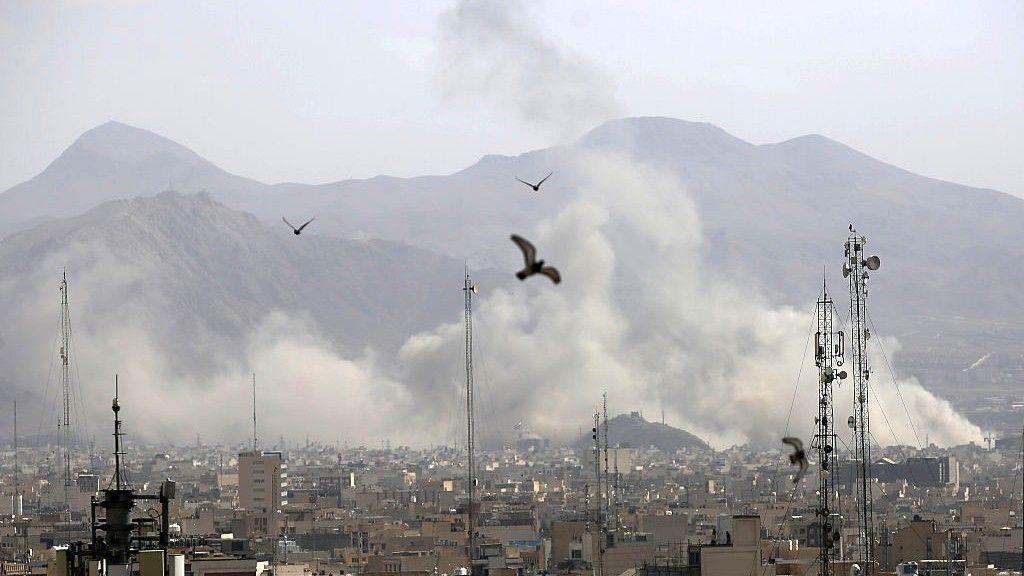
The Israeli military said it had launched a coordinated assault involving air power against what it described as strategic targets linked to Iranian military capabilities. Iranian officials acknowledged explosions in several areas and vowed that Tehran would respond.
The escalation follows weeks of rising tensions and warnings from Israeli leaders that they would act to prevent Iran from expanding its military reach. Israel has long accused Iran of supporting armed groups hostile to the Jewish state and of advancing weapons programs that pose a security threat.
U.S. Bombing Raids Confirmed
President Trump said U.S. forces had struck Iranian sites, describing the action as decisive and warning Tehran against retaliation. The U.S. administration has argued that its operations are aimed at deterring further instability and safeguarding allies in the region.
While details of the American targets were not immediately released, officials indicated the strikes were carried out using aircraft and other long-range capabilities. The Pentagon has not publicly outlined the full scope of the mission.
The move drew swift international reaction. Some governments called for restraint and urged both sides to step back from further escalation, warning that a broader war could have severe humanitarian and economic consequences.
Iran Signals Retaliation
Iranian leaders condemned the Israeli and U.S. attacks as violations of their sovereignty. State media reported damage in multiple locations and said security forces were assessing the aftermath.
Tehran warned that it would respond at a time and place of its choosing. Iranian officials have historically relied on a network of allied militias and proxy forces across the region, raising concerns that retaliation could extend beyond direct state-to-state confrontation.
Analysts say the risk of miscalculation is high, particularly given the direct involvement of the United States. Any sustained exchange between Israel and Iran could draw in other regional actors and disrupt global energy markets.
Unbelievable 😂
— Throwback Iran (@Tarikh_Eran) February 28, 2026
Iranian high school students are THANKING president Trump for striking the regime in Iran.
“I love Trump!” One student says pic.twitter.com/Yazc638iU6
Background to the Escalation
Israel and Iran have engaged in a shadow conflict for years, involving cyberattacks, covert operations and strikes against Iranian-linked targets in Syria and elsewhere. However, direct attacks on Iranian territory are rare and mark a significant shift in the confrontation.
The United States and Iran have also experienced periodic flare-ups, particularly after Washington withdrew from the 2015 nuclear agreement and reimposed sanctions. Tensions have persisted over Iran’s nuclear program and its support for armed groups across the Middle East.
In recent months, regional instability has deepened amid ongoing conflicts involving Iranian-backed militias and Israeli forces. Israeli officials have repeatedly warned that they would act unilaterally if they believed Iran’s activities posed an imminent danger.
Friday’s developments appear to represent the most overt military exchange between the countries in years, with Washington now directly involved.
International Response
World leaders urged restraint, with several governments calling for de-escalation and renewed diplomatic efforts. The United Nations said it was closely monitoring the situation and emphasized the need to prevent further civilian harm.
Markets reacted cautiously, with energy prices showing volatility amid fears of supply disruptions in a region critical to global oil production.
- Israel launched strikes inside Iran and declared a state of emergency.
- The United States confirmed bombing Iranian targets.
- Iran condemned the attacks and signalled it would retaliate.
- International leaders urged restraint to avoid a wider war.
The USS Gerald R. Ford is not parked near Iran. It is parked off Israel. And nobody is asking the only question that matters: why.
— Shanaka Anslem Perera ⚡ (@shanaka86) February 27, 2026
The $13.3 billion crown jewel of the US Navy, the largest warship ever constructed, just positioned itself off Haifa. Not in the Arabian Sea where… pic.twitter.com/auoq3g1CMa
What Happens Next
The immediate question is whether Iran will retaliate directly against Israeli or American targets, or through allied groups operating in neighbouring countries. Security analysts say the scale and nature of any Iranian response will likely determine whether the conflict remains contained or expands.
Israel’s state of emergency could remain in place for days or longer, depending on intelligence assessments. Civil defence systems are on heightened alert, and additional military deployments may follow.
In Washington, lawmakers from both parties are expected to press the administration for details on the scope and legal basis of the strikes. Further U.S. military action could depend on Tehran’s response.
Diplomatic channels may also come into play. Several governments have signalled a willingness to mediate, though prospects for immediate talks appear uncertain given the intensity of the current exchange.
For Canada and other Western allies, the developments raise concerns about regional stability, the safety of citizens abroad and potential economic fallout. Ottawa has previously emphasized the importance of diplomacy in addressing Middle East tensions and may face renewed calls to clarify its position.
As both Israel and Iran weigh their next moves, the coming days are likely to prove critical in determining whether the confrontation remains limited or spirals into a broader regional war with far-reaching consequences.