










SAN FRANCISCO — A U.S. judge is pressing Epic Games and Google for answers after court testimony revealed a previously undisclosed business arrangement tied to Fortnite, the Unreal Engine and Android—raising fresh questions about whether the companies’ proposed settlement in a landmark antitrust case would deliver broader changes for app developers beyond the two parties. :contentReference[oaicite:0]{index=0}
During a hearing Thursday in San Francisco, California District Judge James Donato described a new partnership between Epic and Google that includes joint work and marketing commitments, and he signalled concern it could have influenced Epic’s position in settlement negotiations aimed at reshaping how Android app distribution works. :contentReference[oaicite:1]{index=1}
A partnership revealed under questioning
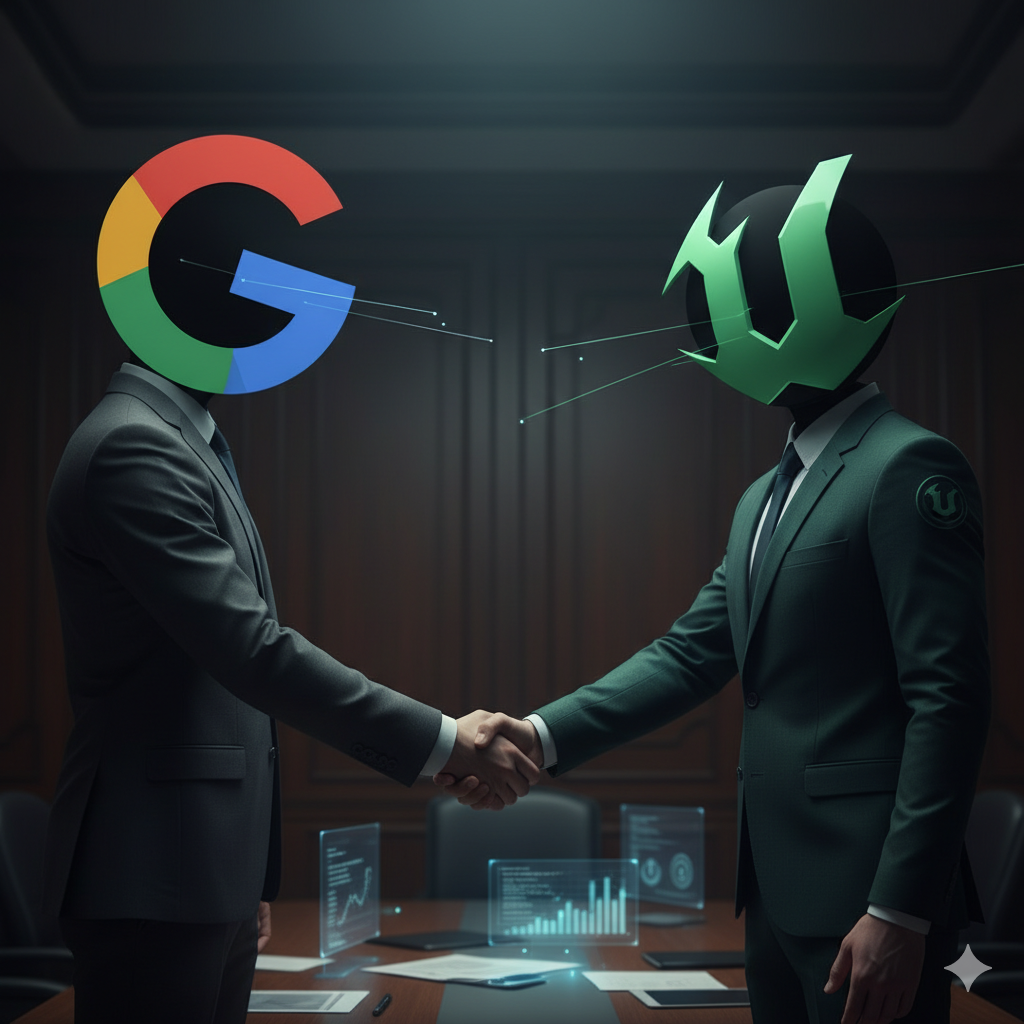
In court, Donato said the term sheet for the arrangement refers to “joint product development, joint marketing commitment, joint partnerships.” He indicated the deal would involve Epic “helping Google market Android,” while Google would be “using Epic’s core technology,” a reference to Epic’s Unreal Engine. :contentReference[oaicite:2]{index=2}
Much of the agreement remains confidential. Donato permitted the companies to keep most details under wraps, but he questioned witnesses about how the partnership might intersect with the broader settlement that Epic is supporting. :contentReference[oaicite:3]{index=3}
The judge also elicited confirmation that the arrangement represents a new commercial relationship between the companies, not simply a continuation of existing dealings. :contentReference[oaicite:4]{index=4}
Epic chief executive Tim Sweeney, testifying during the hearing, connected the agreement to the company’s longer-term ambitions around what he has called the “metaverse,” a concept he has used to describe Fortnite’s evolving platform. He also suggested that Google’s interest includes broader use of Unreal Engine. :contentReference[oaicite:5]{index=5}
The $800 million figure and what it represents
Donato put a dollar value on part of the arrangement, calling it “an $800 million spend over six years.” In the exchange described in court, the figure referred to Epic spending that amount to purchase services from Google at what Sweeney characterized as market rates. :contentReference[oaicite:6]{index=6}
Sweeney told the court he did not view the arrangement as a payoff or a retreat from Epic’s stated push for stronger competition. “I don’t see anything crooked about Epic paying Google off to encourage much more robust competition than they’ve allowed in the past,” he said, adding that Epic views it as “a significant transfer of value from Epic to Google.” :contentReference[oaicite:7]{index=7}
He also said Epic’s own app store would not receive special treatment on Android as a result of the deal. :contentReference[oaicite:8]{index=8}
Why the judge is worried
Donato’s questions centred on whether the partnership could function as a “quid pro quo,” potentially reducing Epic’s incentive to push for remedies that would benefit other developers and rival app stores, not just Epic’s products. :contentReference[oaicite:9]{index=9}
In court, the judge suggested the business arrangement may be tied to the fate of the settlement itself—raising the possibility that elements of the partnership would move ahead only if the court approves the proposed terms resolving the antitrust dispute. Sweeney acknowledged the deal and settlement are important to Epic’s future plans, while also saying specific terms had not yet been finalized. :contentReference[oaicite:10]{index=10}
Google declined comment on the deal, and Epic did not immediately respond to a request for comment described in the report. :contentReference[oaicite:11]{index=11}
Background: a fight over how Android apps are distributed
The hearing is the latest twist in a long-running dispute between Epic and Google that began as a clash over how mobile platforms handle app distribution and payments. Epic has argued that Android’s rules and practices can make it harder for developers and rival stores to compete on equal terms. :contentReference[oaicite:12]{index=12}
The settlement Epic is backing would, according to the discussion in court, reduce Google’s standard app store fees worldwide and allow alternative app stores to register for easier installation on Android devices. Those proposed changes are central to why the court is scrutinizing whether the agreement would meaningfully address competitive concerns beyond Epic’s own interests. :contentReference[oaicite:13]{index=13}
Donato’s focus on the newly revealed partnership reflects a key tension in antitrust remedies: whether a private deal between the litigants can align with—or undermine—broader market reforms for third parties who are not in the courtroom but would be affected by any changes to Android’s app ecosystem. :contentReference[oaicite:14]{index=14}
- Judge James Donato disclosed a new Epic–Google partnership during a San Francisco hearing.
- The court heard that part of the arrangement involves an $800 million spend over six years by Epic for Google services.
- The judge questioned whether the deal could affect the credibility and scope of the proposed antitrust settlement.
What happens next
Donato has not disclosed the full details of the partnership publicly, and he allowed most of the information to remain confidential. But his questions signal that the court’s review of the proposed settlement will include scrutiny of whether side agreements between Epic and Google could alter the incentives that typically drive antitrust remedies meant to benefit wider competition. :contentReference[oaicite:15]{index=15}
For now, the settlement’s fate rests with the judge, who is weighing whether the proposed terms would deliver meaningful changes to how Android handles app stores and related technology arrangements. The court hearing suggests that any approval process will involve close examination of the relationship between the settlement’s stated goals and the newly disclosed business deal. :contentReference[oaicite:16]{index=16}
If the judge concludes that the partnership undercuts the settlement’s broader competitive intent, the court could demand additional assurances, changes to the proposed terms, or further evidence about how the agreement would work in practice. :contentReference[oaicite:17]{index=17}
For Canadians who use Android phones or rely on mobile apps and games built on widely used tools like Unreal Engine, the outcome could shape how easily alternative app stores and payment options can reach devices—and how platform rules affect the digital services that cross borders every day. :contentReference[oaicite:18]{index=18}
:contentReference[oaicite:19]{index=19}
::contentReference[oaicite:20]{index=20}