JANUARY 17, 2026 — OTTAWA / BEIJING
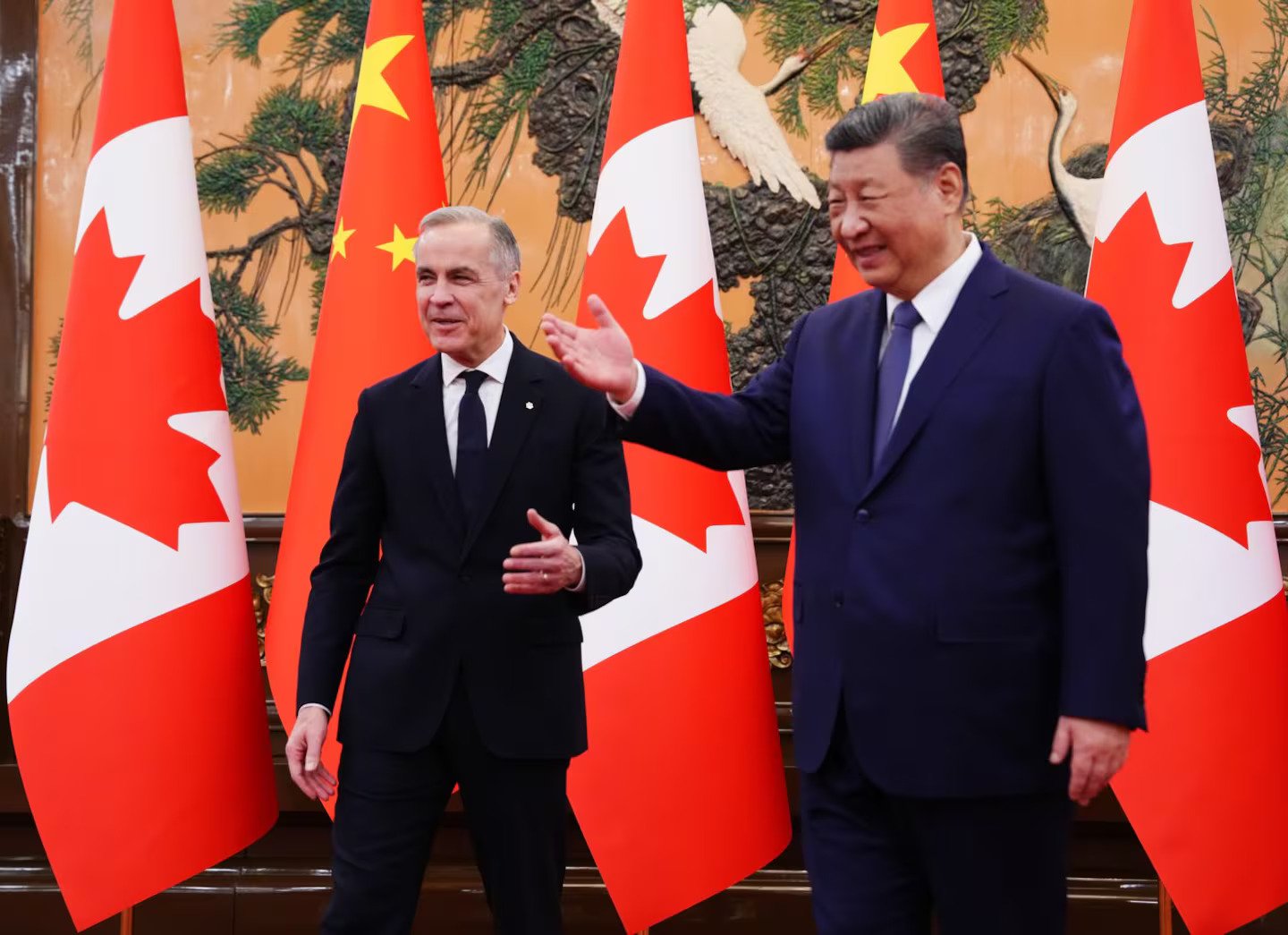
In a major diplomatic outreach that marks a new chapter in Canada-China relations, Prime Minister Mark Carney announced a tentative trade agreement with China this week following high-level meetings in Beijing, aiming to ease tariff disputes and broaden Canada’s export markets beyond its historic reliance on the United States.
The preliminary deal — the result of Carney’s first official trip to China since 2017 — focuses on mutual tariff reductions and potential gains for Canadian agricultural producers, energy exporters, and parts of the auto sector, even as it draws scrutiny from some regional and political stakeholders.
A Shift in Trade Strategy
At the heart of the agreement is a plan to reduce Chinese import duties on Canadian agricultural goods — notably canola seed — and lower Canadian tariffs on Chinese electric vehicles (EVs).
Under the terms agreed in Beijing, China would cut tariffs on Canadian canola oil and seed to around 15 per cent, a significant drop from the steep duties imposed amid a trade dispute in recent years. In return, Canada would allow up to 49,000 Chinese-built EVs annually at a preferential tariff rate of 6.1 per cent, down from previous protectionist levels.
The deal is being framed by Ottawa as a pragmatic response to evolving global economic dynamics and a necessary diversification of trade partnerships, especially in the context of intensified U.S. tariffs and tensions under President Donald Trump’s administration.
“Canada must navigate the world as it is, not as we wish it,” Carney told reporters, emphasizing the need to adapt to shifting geopolitical realities rather than remain tied solely to traditional markets.
Positive Reactions from Producers
Across Canada, agricultural groups and regional leaders have reacted with cautious optimism to the relief this deal could provide.
In Manitoba and Alberta, canola producers welcomed the prospect of renewed access to Chinese markets — one of the largest destinations for Canadian food and oilseed exports — after multiple years of punitive tariffs that had strained farm incomes. Some have noted immediate spikes in commodity prices tied to trade sentiment.
Similarly, industry representatives in British Columbia highlighted the broader economic implications, describing the agreement as beneficial for port activity and trade diversification.
However, caution persists. Farmers and agricultural officials emphasize that reduced tariffs do not automatically ensure full competitiveness against other exporters, and uncertainty remains whether access will be sustained beyond provisional arrangements.
Domestic Debate and Industry Concerns
While many see the agreement as a strategic win, some Canadian political figures and industry advocates have raised alarms.
Critics in the automotive sector, including elected officials representing manufacturing regions — voice concerns that lowering EV tariffs could undercut domestic producers or complicate Canada’s position in the North American autos market. Others argue the move may further strain relations with the United States at a sensitive moment in USMCA negotiations.
On social media and in political commentary, opponents have depicted the deal as risky or overly conciliatory toward Beijing, reinforcing a narrative that closer ties with China might provoke tensions with Canada’s largest trading partner.
Geopolitical Context
Analysts say the agreement reflects broader shifts in global trade, where nations seek to balance economic interests amid fracturing alliances and rising protectionism. Some observers frame Canada’s engagement with China as part of a growing trend among Western economies to hedge against overreliance on any single market, particularly as U.S. policy oscillates on tariffs and trade priorities.
Yet others caution that deeper economic links with China require vigilance on issues ranging from human rights to national security and supply-chain resilience, areas not directly addressed in the preliminary deal.
What We Know
- Tariff reductions on Canadian canola seed and other agricultural exports were agreed in principle with China, with duties expected to fall significantly.
- Canada will permit a quota of Chinese EV imports at reduced tariffs, signaling openness to broader industrial cooperation.
- Carney’s visit is the first by a Canadian leader to China in nearly a decade and part of a broader strategy to diversify export markets.
- Reactions in Canada are mixed: agricultural groups cautiously optimistic, auto industry voices and some political critics more skeptical.
- The deal unfolds against a backdrop of U.S. tariff pressures and evolving global trade dynamics.
What’s Disputed / Unclear
- The long-term durability of tariff reductions and whether the provisional terms will be maintained or expanded beyond 2026.
- The potential impact on Canada’s domestic automotive sector and broader manufacturing base.
- How relations with the United States will evolve as Canada deepens economic ties with China.
Why It Matters
The tentative trade agreement signals a notable pivot in Canada’s international economic strategy, underscoring the nation’s effort to balance traditional alliances with opportunities in emerging markets. The deal could materially affect Canada’s agricultural exports and industrial landscape, while also shaping diplomatic dynamics with both China and the United States in a volatile global trade environment.