OTTAWA — Prime Minister Mark Carney says Canada supports recent U.S. military strikes on Iranian targets aimed at curbing Tehran’s nuclear ambitions, but will not take part in combat operations, drawing sharp criticism from former diplomats who argue the position undermines international law and Canada’s longstanding foreign policy principles.
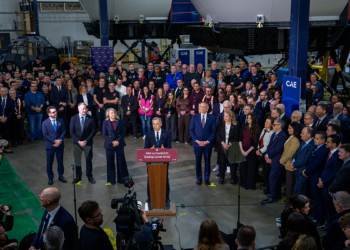
Speaking after the United States carried out coordinated strikes against Iranian facilities, Carney said Canada agrees with Washington’s objective of preventing Iran from obtaining a nuclear weapon and from posing what he described as a broader threat to international peace and security. At the same time, he made clear that Ottawa does not intend to commit Canadian Armed Forces personnel to the operation.
“Canada will not be involved militarily,” Carney said, while urging all parties to avoid further escalation and to protect civilians in the region.
Support Without Deployment
The prime minister’s position reflects a careful balancing act: aligning Canada with its closest ally on a major security issue, while avoiding direct involvement in a rapidly escalating conflict in the Middle East.
According to reporting on the government’s response, Carney framed Canada’s support in terms of nuclear non-proliferation and regional stability. He stressed that Iran must not be allowed to develop a nuclear weapon and said efforts to limit that risk are consistent with Canada’s broader security interests.
However, officials indicated that no Canadian military assets would be deployed as part of the strikes or any follow-up combat operations. There has been no announcement of additional Canadian forces being sent to the region.
Instead, the government signalled it would continue to monitor developments closely, consult with allies and focus on diplomatic channels.
Criticism Over International Law
The government’s endorsement of the U.S. action has sparked backlash from a group of former Canadian diplomats, who argue that supporting military strikes without explicit United Nations authorization risks eroding the international rules Canada has traditionally championed.
In public statements, the former envoys said Canada appears to be departing from its longstanding emphasis on multilateralism and the primacy of international law. They warned that endorsing pre-emptive or unilateral military action could set a precedent that weakens global norms.
The critics contend that even if Canada is not directly participating in the strikes, publicly backing them carries diplomatic and legal implications. They argue Ottawa should be advocating more forcefully for de-escalation and renewed negotiations instead of aligning itself with a military response.
The government has not directly addressed those criticisms but has reiterated its support for non-proliferation and regional stability, alongside calls for restraint.
Rising Tensions in the Middle East
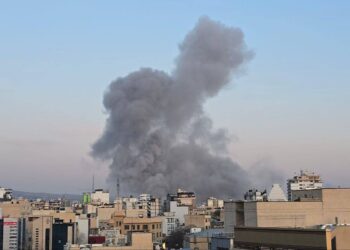
The U.S. strikes come amid heightened tensions between Washington and Tehran over Iran’s nuclear program and its regional activities. The attacks targeted sites linked to Iran’s military and nuclear infrastructure, according to U.S. officials.
Iran has condemned the strikes and signalled it would respond, raising concerns about a broader regional conflict. The situation has prompted warnings from international observers about the potential for further escalation and risks to civilians.
Canada has updated its travel guidance for the region in the past during periods of instability, and officials have said they are closely tracking developments to assess any impact on Canadians abroad.
Political and Security Implications at Home
Carney’s stance is likely to have domestic political consequences. Supporters argue that backing the United States on a core security issue reinforces Canada’s commitment to its most important defence partnership and to preventing nuclear proliferation.
Critics, however, say the move could expose Canada to diplomatic fallout or security risks, particularly if the conflict widens. Some analysts have cautioned that aligning publicly with military action may increase the risk of retaliatory rhetoric or cyber threats, even if Canada is not directly involved in combat.
The debate also touches on broader questions about Canada’s role on the world stage under Carney’s leadership — whether Ottawa will lean more heavily toward strategic alignment with Washington or maintain greater distance in contentious military interventions.
Background: Canada and Iran
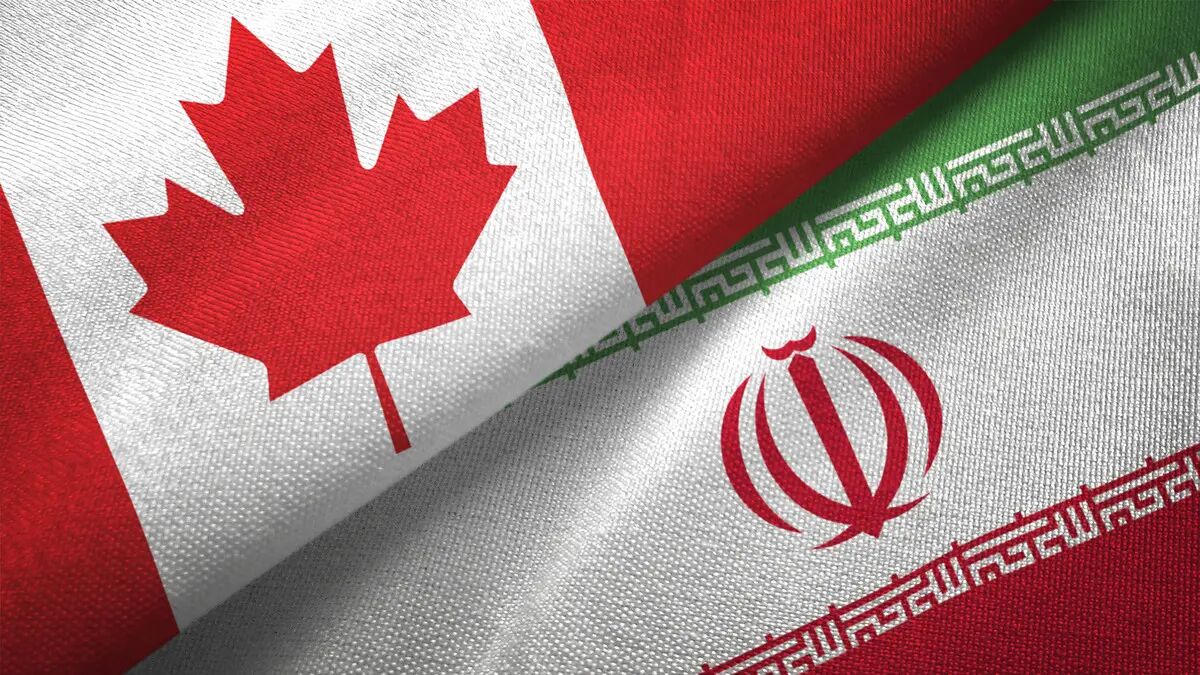
Canada has had strained relations with Iran for more than a decade. Ottawa severed formal diplomatic ties with Tehran in 2012, citing concerns over Iran’s nuclear program and its regional activities. Successive Canadian governments have maintained sanctions against Iranian individuals and entities.
Canada has also consistently supported international efforts aimed at limiting Iran’s nuclear capabilities through agreements and inspections. The collapse of earlier diplomatic arrangements and renewed tensions between Iran and Western powers have left the region in a fragile state.
Carney’s comments place his government within that longstanding framework of skepticism toward Iran’s nuclear ambitions, while also navigating the political sensitivities of another U.S.-led military action in the Middle East.
What Happens Next
Much will depend on how Iran responds and whether the confrontation expands beyond the initial strikes. If hostilities intensify, pressure could grow on allied countries to clarify their roles, whether through logistical support, intelligence sharing or diplomatic initiatives.
For now, Ottawa has drawn a clear line: political support for preventing Iran from acquiring a nuclear weapon, but no Canadian boots on the ground.
Diplomatic engagement, calls for restraint and coordination with allies are expected to continue in the coming days as the international community assesses the fallout from the strikes.
For Canadians, the unfolding situation underscores the delicate balance successive governments have sought to maintain — supporting key allies while avoiding direct entanglement in overseas conflicts whose consequences can reverberate at home.