TORONTO — A growing number of Canadians are seeking protection from overwhelming debt, with new insolvency data showing filings are approaching levels last seen during the global financial crisis of 2009. The increase is raising concerns that many households are struggling to keep pace with years of elevated living costs, higher borrowing expenses and mounting financial pressure.
Figures released by the Office of the Superintendent of Bankruptcy show consumer insolvencies continued to rise through the first quarter of 2026. According to the Canadian Association of Insolvency and Restructuring Professionals, more than 37,000 Canadians filed for insolvency protection between January and March, the highest quarterly total since early 2009.
The filings include both bankruptcies and consumer proposals, which allow individuals to negotiate partial repayment plans with creditors while avoiding bankruptcy.
Industry experts say the increase reflects the delayed impact of several years of inflation, rising interest rates and growing household debt loads.
Debt pressure intensifying across households
Data compiled from federal insolvency records shows 13,406 consumer insolvencies were filed in March alone, making it one of the busiest March periods on record. The monthly total was roughly 10.6 per cent higher than the same month a year earlier and only slightly below the peak reached during the 2009 financial crisis.
Over a rolling 12-month period ending in March, Canada recorded more than 143,000 insolvency filings. Analysts tracking the trend say the figures point to sustained financial strain rather than a temporary spike.
Licensed insolvency trustees say many households have exhausted savings and credit reserves built up during and after the pandemic period. Higher interest payments on mortgages, credit cards and lines of credit are increasingly colliding with elevated food, housing and transportation costs.
Wesley Cowan, vice-chair of the Canadian Association of Insolvency and Restructuring Professionals, said many Canadians are reaching a financial “breaking point” after carrying debt burdens that have become increasingly difficult to manage.
According to insolvency professionals, many cases are triggered not by a single large expense, but by a combination of pressures that gradually erode financial stability. A missed payment, rent increase, job disruption or unexpected bill can quickly push already strained households into formal debt relief proceedings.
Housing and borrowing costs remain major factors
The rise in insolvencies comes as Canadians continue to carry historically high debt levels. Recent consumer credit data showed household debt across all credit products climbed to approximately $2.6 trillion by the end of 2025.
Mortgage holders remain under particular pressure as borrowers renew loans at substantially higher interest rates than those available during the low-rate environment earlier in the decade.
Federal housing data also shows mortgage delinquency rates have continued to rise. The national mortgage arrears rate reached its highest level since 2021 earlier this year, adding to concerns about the broader health of household finances.
Financial analysts note that insolvencies are generally considered a lagging economic indicator. Many consumers attempt to manage mounting debt through refinancing, payment deferrals or additional borrowing long before formally filing for creditor protection.
Some economists argue today’s numbers are especially notable because they are approaching recession-era levels even though Canada is not officially in a major economic downturn.
That distinction has become a growing concern among insolvency professionals and housing analysts who say many consumers appear financially vulnerable despite relatively stable headline economic indicators.
Regional and economic concerns emerging
While consumer insolvencies increased sharply, business insolvencies showed a mixed picture. More than 1,200 Canadian businesses filed for insolvency protection during the first quarter of 2026. That figure was lower than the same period a year earlier but higher than the final quarter of 2025.
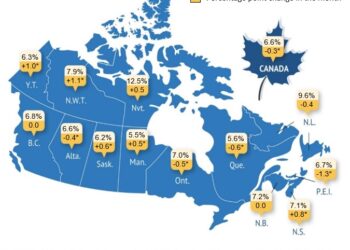
Some provinces have seen sharper increases than others. Previous annual insolvency data showed notable increases in British Columbia, Prince Edward Island and Newfoundland and Labrador.
Online discussion forums and housing communities have increasingly focused on the issue as Canadians debate the causes behind rising debt pressure. Discussions frequently point to housing affordability, stagnant purchasing power and heavy reliance on consumer credit.
Some commenters argue insolvency figures still understate the scale of financial stress because many struggling borrowers continue making minimum payments or consolidate debt into mortgages and home equity lines of credit instead of filing formal insolvency proceedings.
- More than 37,000 Canadians filed for insolvency in the first three months of 2026
- March insolvencies were near the highest monthly level since 2009
- Consumer filings rose more than eight per cent compared with a year earlier
- Higher borrowing costs and household debt are cited as key drivers
Why insolvencies matter to the broader economy
Consumer insolvencies are closely watched because they can signal broader weakness in household finances and consumer spending.
When more households devote income toward servicing debt or enter insolvency proceedings, discretionary spending often declines. That can affect retail activity, housing markets and overall economic growth.
Financial experts also warn that sustained insolvency growth can place additional pressure on lenders, especially if mortgage arrears continue to rise alongside unsecured consumer debt defaults.
At the same time, some analysts caution against directly comparing current insolvency totals with 2009 because Canada’s population has grown substantially over the past 17 years. Others argue the comparison remains significant because insolvencies typically surge during periods of major economic distress.
The current trend has also renewed debate over the long-term impact of Canada’s elevated housing costs and consumer debt dependence. Many households accumulated large mortgage balances during years of low interest rates and rapidly rising real estate prices.
As those loans renew at higher rates, monthly payments have risen sharply for many borrowers. Renters have also faced rising shelter costs across much of the country.
What happens next
Insolvency professionals expect filings could continue rising through 2026 if borrowing costs remain elevated and economic growth slows further.
Much will depend on employment conditions and whether households can stabilize finances before additional economic shocks emerge. Economists say labour market weakness or further increases in living costs could accelerate the trend.
Federal policymakers and financial regulators are also closely monitoring mortgage arrears and consumer debt levels for signs of broader financial instability.
For many Canadians, however, the insolvency numbers reflect a more immediate reality: a growing share of households are finding it increasingly difficult to balance rising costs with debt accumulated during years of expensive housing and higher living expenses.
As insolvency filings edge closer to levels seen during the aftermath of the global financial crisis, the figures are becoming an increasingly visible measure of the financial pressure facing Canadian households.