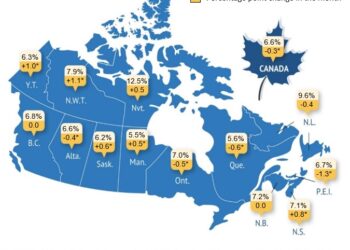
Canada faces rising food inflation as grocery prices climb sharply, with tomato costs soaring 45 per cent over the past year amid supply issues. Statistics Canada reports food prices increased 4.3 per cent in May 2026, outpacing the overall inflation rate of 3.2 per cent, marking the 16th consecutive month food costs have risen faster than inflation. The spike affects fresh fruits and vegetables nationwide, hitting household budgets across the country.
Produce Prices Surge, Tomatoes Hit Hardest
Fresh vegetables rose nine per cent year-over-year in May, driven by steep increases in staples such as lettuce, broccoli, and cauliflower. Fresh fruits climbed 5.3 per cent. Among these, tomatoes saw the most dramatic jump, with prices up 45 per cent compared with May 2025. Statistics Canada attributes the tomato price surge to poor growing weather in Mexico and reduced planting amid concerns over U.S. tariffs.
Michael von Massow, a food economist at the University of Guelph, described the tomato market as facing “a perfect storm,” highlighting vulnerabilities in Canada’s food supply system that depends heavily on limited import sources, especially during winter months. He noted that transportation costs, which represent about 10 to 15 per cent of retail fruit and vegetable prices, have also contributed to higher prices due to elevated fuel costs.
Von Massow also explained fresh produce prices may ease as Canada moves into its growing season, but tomato prices are unlikely to drop significantly until late July or early August when the harvest begins. He added that summer demand for tomatoes increases due to seasonal eating habits, which further supports higher prices.
Statistics Canada reported fresh vegetable prices rose 5.5 per cent from April to May 2026, the largest increase for May since 2008, reversing a 3.9 per cent decline in April.
Toronto resident Christina Notario said she notices the rising grocery bills firsthand, spending nearly $400 monthly on groceries for herself. She pointed to the high cost of produce as a major issue, noting many people opt for cheaper processed foods as a result.
Olivia Cross and Alisson Zani, both shoppers at a Toronto produce market, expressed frustration over the widening gap between food prices and stagnant wages. Zani said, “The price is increasing. The rent is. The food. But our salary is not changing.”
Doug Porter, chief economist at BMO, highlighted the unusual simultaneous price increases for both fruits and vegetables in May, a month that typically sees some relief in produce prices.
The criticism was immediate, with prominent voices weighing in on the food inflation situation. Michael von Massow summarized the challenges on X, emphasizing the strain on consumers and the food system:
Fuel Prices and Inflation Link
Fuel prices also play a critical role in rising food costs. Gasoline prices surged 33.2 per cent year-over-year in May, the highest since June 2022. This increase largely stemmed from the ongoing conflict in the Middle East, which led to the closure of the Strait of Hormuz, a vital oil shipping route.
Higher diesel costs, up more than 22 per cent year-over-year, have further pressured transportation expenses for food imports. RBC analyst Irene Nattel noted that despite recent declines in gasoline prices, diesel remains a significant headwind for food inflation.
Kam Naidoo, a Toronto motorist, welcomed recent gas price relief, with prices dropping below $1.60 per litre after nearly reaching $2 earlier in May. She said this easing makes filling up her vehicle more affordable after months of high costs.
Chief economist Doug Porter suggested May 2026 could represent the peak of inflation for the year, as gasoline prices have begun to fall and overall inflation may ease accordingly. Excluding fuel costs, inflation rose a more modest 2.2 per cent in May.
Meanwhile, the cost of air travel increased 7.4 per cent as airlines faced higher jet fuel prices, adding another dimension to inflationary pressures felt by consumers.
Impact on Canadian Households
Higher grocery prices continue to squeeze Canadian households. The persistent food inflation streak, now 16 months running, steadily erodes purchasing power and challenges budgets.
Consumers are responding by shopping around for deals and opting for less expensive grocery options. However, many express frustration that wage growth has not kept pace with rising costs in food, rent, and other essentials.
The situation underscores the complex interplay between global geopolitical events, supply chain vulnerabilities, and local economic pressures shaping the Canadian cost of living.