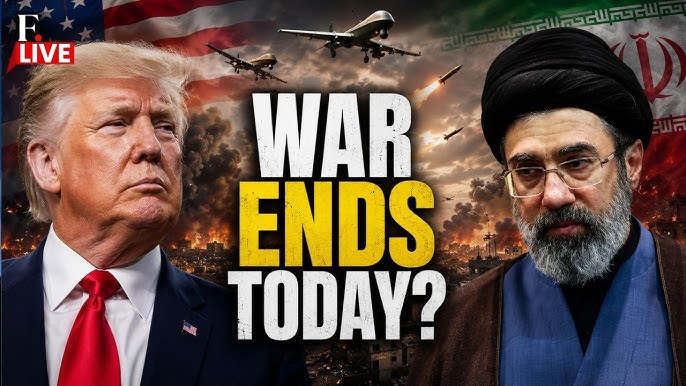
The United States and Iran have reached a comprehensive peace agreement ending hostilities, with a formal signing scheduled for Friday in Switzerland, U.S. President Donald Trump and Pakistan’s Prime Minister Shehbaz Sharif announced on Sunday.
Key Terms of the Peace Deal
According to Shehbaz Sharif, who acted as mediator, the agreement mandates the immediate and permanent cessation of military operations on all fronts, including Lebanon. Trump confirmed that the U.S. naval blockade on Iranian ports will end and the Strait of Hormuz, a crucial global shipping lane previously closed by Iran, will reopen without tolls starting Friday.
The reopening of the Strait of Hormuz is significant as it handles approximately 20% of the world’s oil supply. Disruptions since March due to Iranian attacks triggered the largest oil supply interruption in history. Following the announcement, U.S. crude futures dropped 4.8% to $80.80 per barrel, while Brent crude declined 3.9% to $83.89.
“The Deal with Islamic Republic of Iran is now complete. Congratulations to all!” President Donald J. Trump 🇺🇸 pic.twitter.com/RdSwyEdEtO
— The White House (@WhiteHouse) June 14, 2026
Trump hailed the deal on his Truth Social platform, writing, “Ships of the World, start your engines. Let the oil flow!” He emphasized that oil flow will resume on both ends of the strait upon the agreement’s formal signing, which will include mine removal operations to ensure safe transit.
Diplomatic Mediation and Regional Implications
Pakistan’s Prime Minister Shehbaz Sharif announced the deal early Monday local time, expressing gratitude to both parties for their commitment to diplomacy. He noted that mediators will facilitate further technical meetings ahead of the signing ceremony to finalize details.
The pact also includes Lebanon, where Iranian-backed forces had been engaged in conflict. This broad cessation of hostilities marks a significant de-escalation in a war that began with U.S. and Israeli strikes on Iran in late February, resulting in thousands of casualties mainly in Iran and Lebanon.
Despite the announcement, Israel, a key regional player, stated it was not a party to the agreement. The deal comes amid political pressure on Trump and U.S. Republicans ahead of November’s midterm elections, with public frustration over rising gasoline prices linked to the conflict.
Market and Strategic Impact
Frontline CEO Lars Barstad expressed optimism that tanker traffic through the Strait of Hormuz will resume quickly following the deal. The reopening is expected to stabilize energy markets and ease global oil supply concerns after months of disruption.
Negotiations reportedly left Iran’s nuclear program for separate discussions during a 60-day period of additional talks, focusing the initial deal on halting hostilities and reopening key shipping routes.
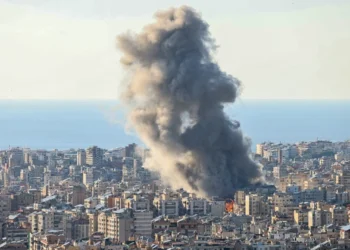
Iranian negotiator Mohammad Bagher Ghalibaf condemned an Israeli strike on Lebanon’s southern suburbs on Sunday, which occurred shortly before the agreement announcement, highlighting ongoing regional tensions despite the peace deal.