The World Health Organization (WHO) is responding to a complex Ebola outbreak in the Democratic Republic of Congo (DRC), declared a public health emergency of international concern, with over 300 suspected cases and 88 deaths reported, including the first confirmed case outside Africa in Germany.
Ebola Outbreak and Response Efforts
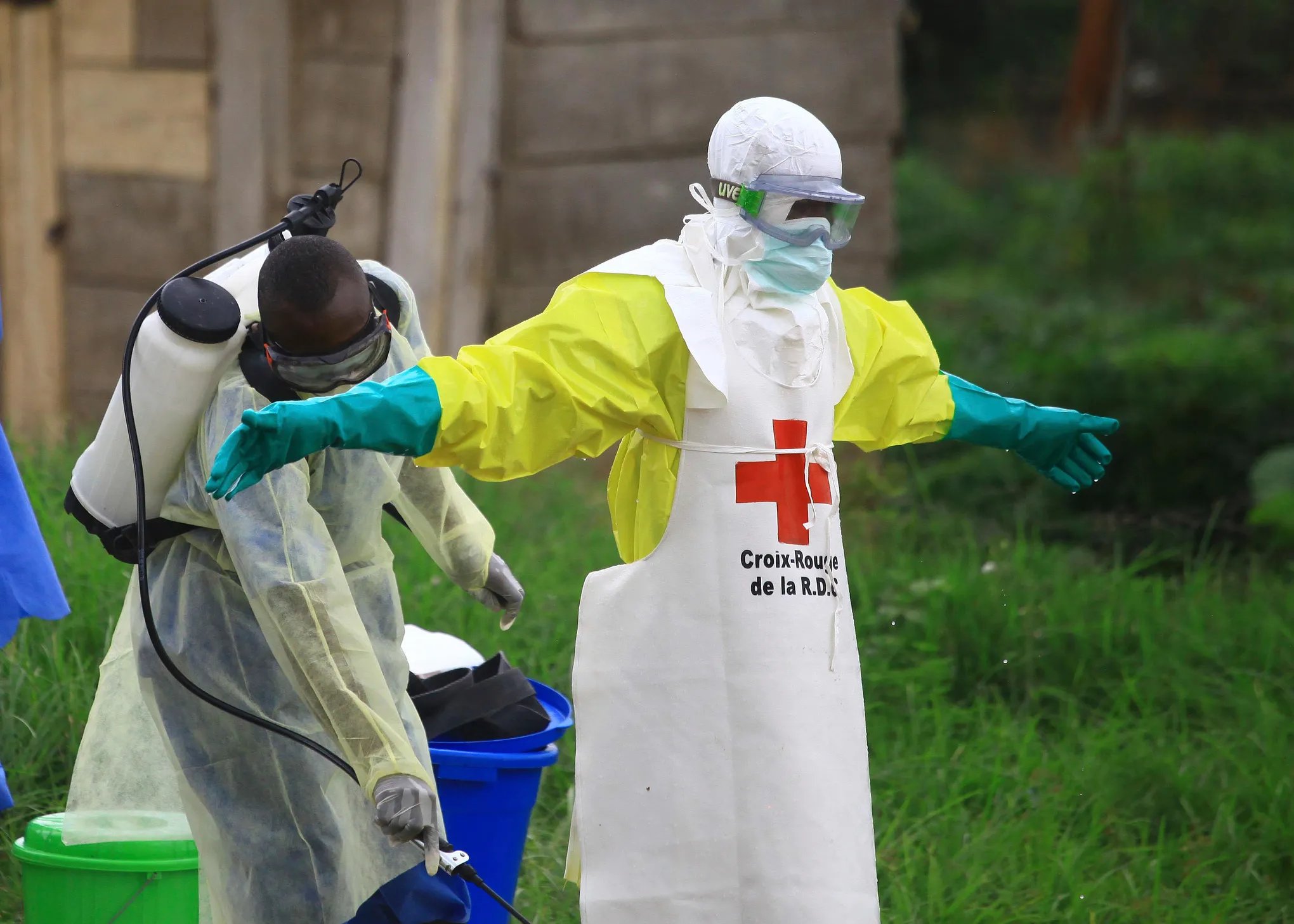
The current Ebola outbreak in the DRC is caused by the Bundibugyo strain, a rare species not seen for over a decade, complicating diagnosis and response. Symptoms typically start with fever, headache and fatigue, progressing to vomiting, diarrhoea, and in some cases, bleeding and organ failure. The virus spreads through contact with infected bodily fluids. The outbreak’s epicentre is Bunia, an area affected by conflict and displacement of approximately 250,000 people, complicating containment efforts.
Anne Ancia, WHO representative in the DRC, described the situation as “complex and difficult,” highlighting challenges posed by the conflict zone and porous borders facilitating cross-border movement. WHO is deploying health experts and medical supplies to the region to contain the virus.
The Bundibugyo strain lacks an approved vaccine or targeted drugs, though experimental vaccines are in development. Initial blood tests often returned false negatives, as they are designed to detect more common Ebola species. The WHO notes that while a vaccine for the Zaire species may offer some protection, there is no guaranteed immunity for Bundibugyo.
The WHO has declared the Ebola outbreak in Congo and Uganda as a public health emergency of international concern, with over 300 suspected cases and 88 deaths.
They state that it does not meet the criteria of a pandemic, and that closing international borders is unnecessary. pic.twitter.com/m0pdZ93tGl
— Pop Base (@PopBase) May 17, 2026
International Spread and Travel Restrictions
The first known case was a nurse who developed symptoms on April 24, indicating undetected spread for weeks prior. On May 18, an American tested positive for Ebola but will be treated in Germany, not repatriated to the United States. The Centers for Disease Control and Prevention (CDC) has implemented a travel ban on foreigners who have passed through Uganda, DRC, and South Sudan.
🚨 BREAKING: The Trump admin has CONFIRMED an American has tested POSITIVE for Ebola, but they will NOT be brought back to the US
They will be treated in GERMANY
The CDC also confirmed they implemented a TRAVEL BAN on foreigners who've passed through Uganda, Congo, and South… pic.twitter.com/N7XteonAoW
— Nick Sortor (@nicksortor) May 18, 2026
WHO has stated that the outbreak does not meet the criteria of a pandemic and that closing international borders is unnecessary. The risk of Ebola spreading beyond east Africa remains minimal due to the virus’s transmission characteristics and containment measures.
This is exactly where public understanding breaks down.
“Not a pandemic” doesn’t mean “not serious.”
It means contained—for now.Ebola doesn’t spread like COVID.
But when systems are weak, containment fails fast.88 deaths isn’t just a number.
It’s a warning signal.The real… pic.twitter.com/Y3GoVAIm5P
— HealthAsia (@farhadali) May 17, 2026
Public Health Implications and Global Context
WHO’s declaration of a public health emergency of international concern aims to mobilize resources and international cooperation. The outbreak poses significant challenges due to the rarity of the strain, lack of vaccines, and the unstable security environment. Health experts caution that containment depends on strengthening local health systems and addressing conflict-related displacement.
“The situation in Bunia is complex and difficult,” said Anne Ancia, WHO representative in the DRC. “We are mobilizing experts and supplies to support local response efforts to contain the outbreak.”
Although Ebola is fatal in about one-third of Bundibugyo cases historically, the current outbreak’s death toll of 88 out of 300 suspected cases underlines the severity of the event. Health officials emphasize that vigilance remains essential to prevent wider spread and that the global community must support affected nations in their response.